

When we think about being rich, we often look at the news today. We see names like Elon Musk, Jeff Bezos, and Bill Gates. We look at the Bloomberg Billionaires Index or check Business Insider to see who is on top. It is easy to think that the richest people live right now.
After all, technology has made so much money for people around the world. But, if we look back at human history, the story changes.
The richest people of today might not even make the top list if we count the kings and emperors of the past.
At The Coin Investor, we want to help you see the full picture of wealth. We believe in looking at data to understand money.
To find the richest person in history, we have to go back in time. We have to look at historical figures who owned entire countries. We have to look at emperors who controlled half the world’s gold.
In this article, we will find out if Elon Musk is really the richest person in history. We will see if Genghis Khan had more wealth than Amazon founder Jeff Bezos. We will also learn about a king from West Africa named Mansa Musa. Many experts say he had so much gold that nobody could even count it.
Let us look at the top 10 richest man in history and see how his wealth compares to the billionaires we know today.
Who Is Officially the Richest Person in History?

This is a very hard question to answer. Today, we can easily see the net worth of a CEO. We know how many shares of stock they have.
But how do you calculate the net worth of a king who lived 1,000 years ago?
Most economic historians agree on one name when asked about the richest person ever. That name is Mansa Musa.
He was the ruler of the Mali Empire in the 14th century. Mansa Musa’s wealth was so vast that people said it was impossible to describe.
He did not just have money in a bank. He owned the land that produced the most gold in the world at that time.
The Legend of Mansa Musa’s Incalculable Fortune
Mansa Musa (1280–1337) became the ruler of the Mali Empire in 1312.
His empire covered a huge part of West Africa, stretching all the way to the Atlantic Ocean.
Under his rule, the Empire of Mali grew very strong. But the world did not know how rich he was until he went on a trip.
Mansa Musa was a devout Muslim. In 1324, he decided to go on a pilgrimage to Mecca.
This is a holy city in the Middle East. He did not travel alone. Contemporary accounts of Musa say he traveled with a caravan of 60,000 men. He brought soldiers, entertainers, and camels. Each camel carried hundreds of pounds of gold.
When he passed through Cairo, Egypt, he gave away so much gold to the poor that he caused a problem. Because there was suddenly much gold in the city, the value of gold went down. Prices for everything else went up. It took years for the economy in Cairo to recover.
This was the only time in history that one man controlled the price of gold in the Middle East just by being generous.
The Catalan Atlas, a famous map from the Middle Ages, shows a picture of him. In the picture, Mansa Musa is holding a gold coin.
This image showed the world that he was the king of gold. When we talk about the richest people, his name is usually number one.
How Historians Estimate Ancient Wealth Vs. Modern Money
How do we compare Mansa Musa to Bernard Arnault or Jeff Bezos? It is tricky. Money changes over time. A dollar today is not worth the same as a dollar 100 years ago. This is called inflation. Also, in the past, wealth was often tied to land and power, not just cash.
Researchers at places like the University of California and journalists at the New York Times try to figure this out. They compare a person’s wealth to the total economic output of the world at that time.
For example, John D. Rockefeller had a lot of money in the early 1900s.
His money was equal to about 2% of the whole economy of the United States. If someone had 2% of the US economy today, they would have trillions of dollars. This helps us see that historical figures were often richer than modern billionaires in today’s terms.
Also, some leaders like Genghis Khan or Joseph Stalin controlled huge empires. Joseph Stalin controlled the USSR, which had a massive economy. But did he own it personally? That is hard to say. This makes creating a list of the richest people of all time very difficult.
However, using economic power as a guide, we can make a very good list.
The Top 10 Richest Men in History

Here is a list of the top 10 wealthiest men. These men had more power and money than we can imagine. We have adjusted their wealth to match today’s money so you can understand how rich they were.
Mansa Musa (1280–1337) – Ruler of the Mali Empire
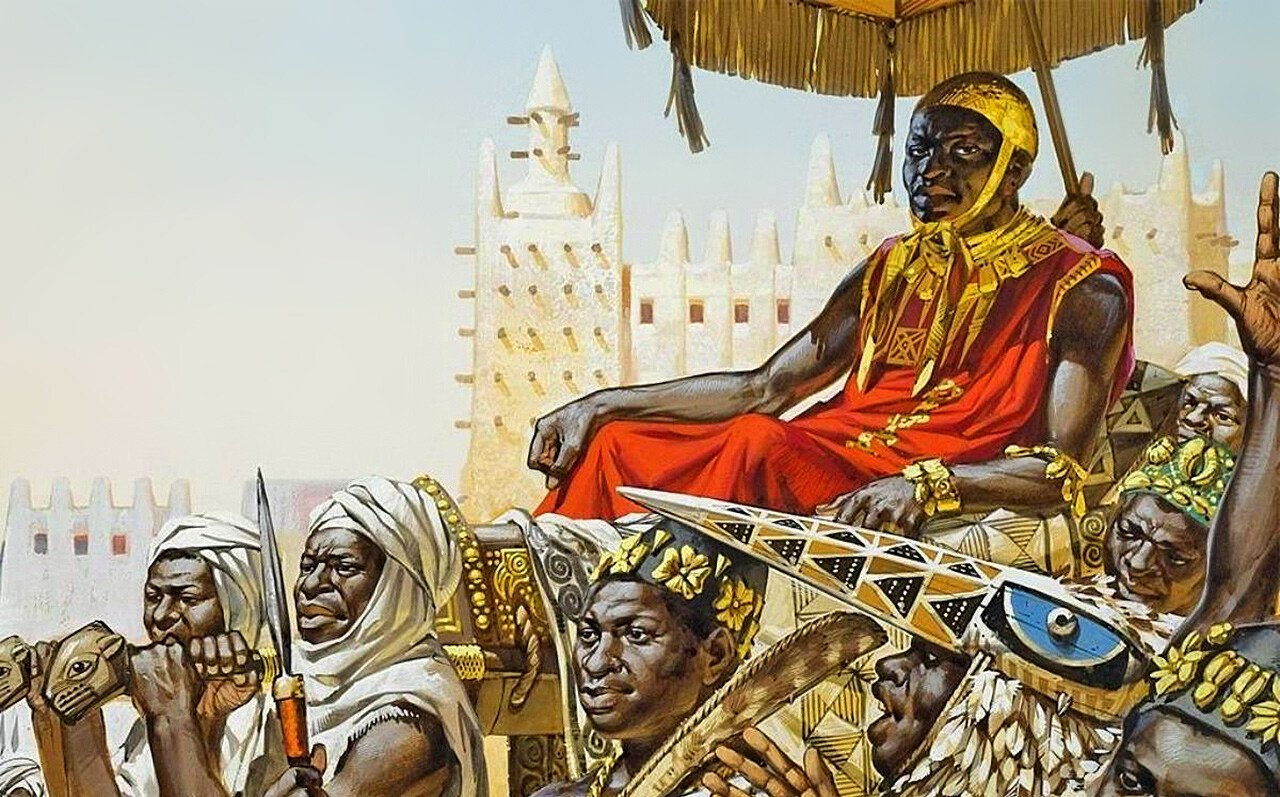
As we mentioned, Mansa Musa is likely the richest person in history. His net worth is often called “incalculable.”
This means it was too big to count. The Mali Empire was the world’s biggest producer of gold. At that time, gold was the most important thing for trading. Because Mansa Musa owned the gold mines, his wealth kept growing. He used his money to build great things.
He built the famous Djinguereber Mosque in Timbuktu.
He also built schools and universities. His trip to Mecca showed the world the wealth of the Mali Empire.
Even today, when people ask who was the richest person, Musa is the top answer. He had total control over the region’s resources.
In modern history, no single person has had that much control over the world’s gold supply.
Augustus Caesar (63 BC–14 AD) – The First Roman Emperor
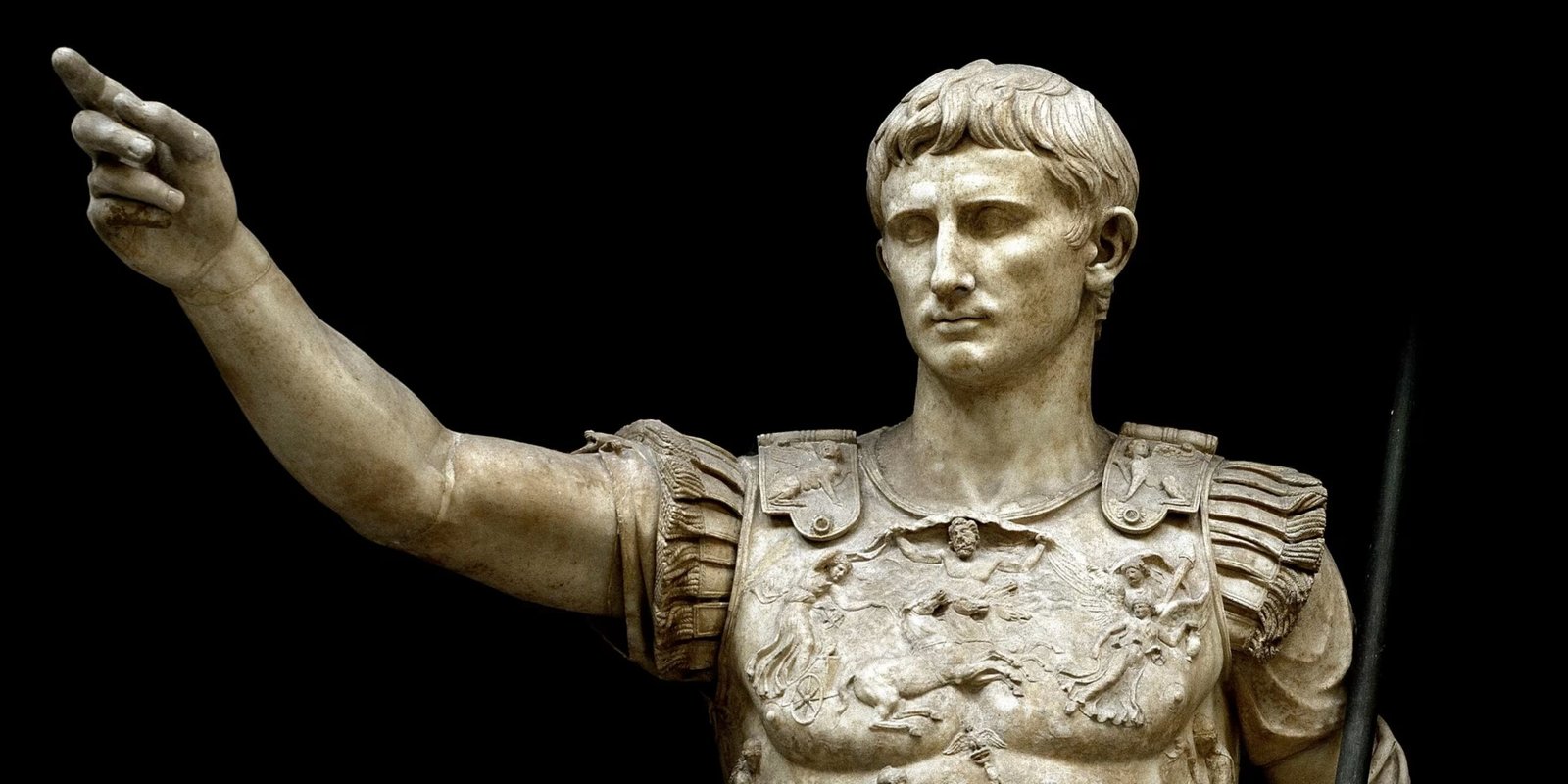
Augustus Caesar was the first emperor of the Roman Empire. He lived a long time ago, but his wealth was staggering.
At one point, he personally owned all of Egypt. Imagine owning an entire country as your own private property. That is what Augustus did.
Economic experts say that the Roman Empire accounted for about 25% to 30% of the world’s economic output. Augustus Caesar had personal wealth equal to one-fifth of his empire’s economy.
In today’s terms, his fortune would be worth about $4.6 trillion. This is much more than Elon Musk or Bill Gates.
He could pay for the whole Roman army with his own money. He was not just a leader; he was a financial giant.
Emperor Shenzong (1048–1085) – Leader of the Song Dynasty
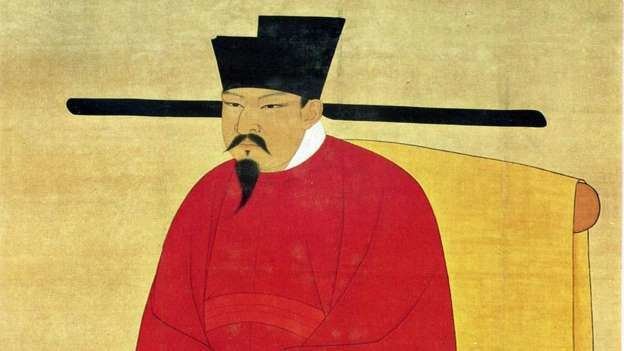
Emperor Shenzong ruled China during the Song Dynasty.
During his rule, China was very powerful. It was one of the most advanced economies in the world. The Song Dynasty created about 30% of the world’s GDP (Gross Domestic Product).
Emperor Shenzong controlled this wealth. He was very smart about money. He created a new tax system that made the government very rich. The personal wealth of the emperor was tied to the nation.
Since the nation was so rich, he was too.
Historians consider him one of the wealthiest historical figures because of the sheer size of China’s economy. He had millions of subjects and huge amounts of trade goods like silk and tea.
Akbar I (1542–1605) – The Great Mughal Emperor
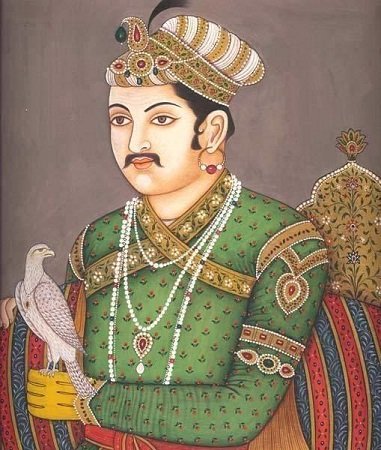
Akbar I was the greatest ruler of the Mughal dynasty in India.
Under his rule, India was a very rich country. The Mughal Empire produced about 25% of the world’s output.
Akbar was a very successful ruler. He was good at getting taxes from the people without making them too angry.
His palace had incredible treasures. He had rooms full of jewels, gold, and silk. His lifestyle was more expensive than the kings of Europe.
In today’s money, his control over India’s economy makes him one of the top 10 richest man in history.
His wealth was similar to the wealth of the Roman Empire under Augustus.
Andrew Carnegie (1835–1919) – The American Steel Tycoon
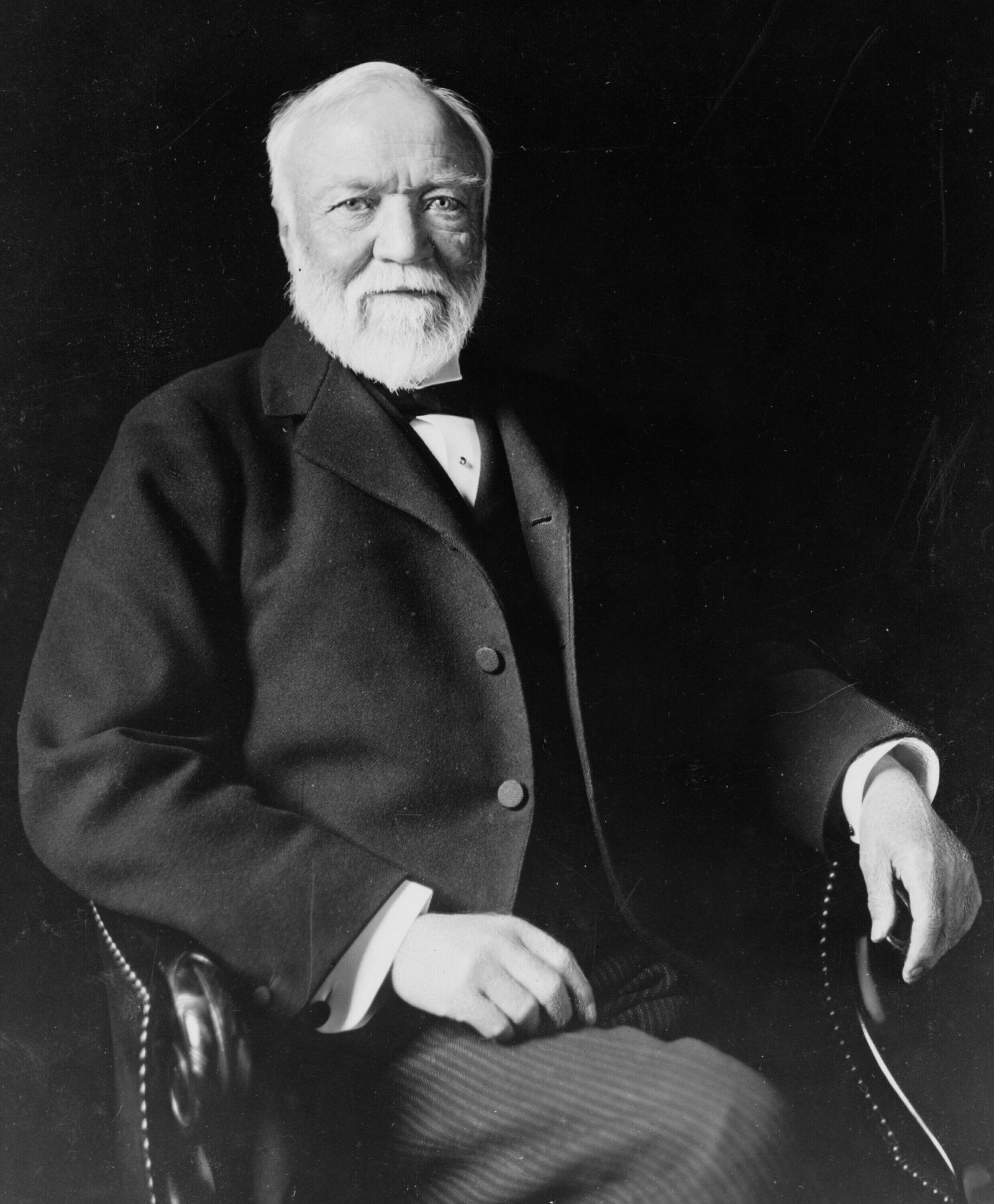
Now we move to modern history and the United States. Andrew Carnegie was a Scottish immigrant who came to America with nothing.
He worked very hard and started investing in steel. He built a company called Carnegie Steel. Steel was used to build railroads and skyscrapers in places like New York. In 1901, he sold his company to J.P. Morgan for $480 million. That was a huge amount of money back then.
In today’s money, Andrew Carnegie would be worth over $300 billion. For a long time, he was the richest American.
After he sold his company, he gave away most of his money. He built libraries and schools. He wanted to help others.
But before he gave it away, he was wealthier than Jeff Bezos is today.
John D. Rockefeller (1839–1937) – The Standard Oil Baron
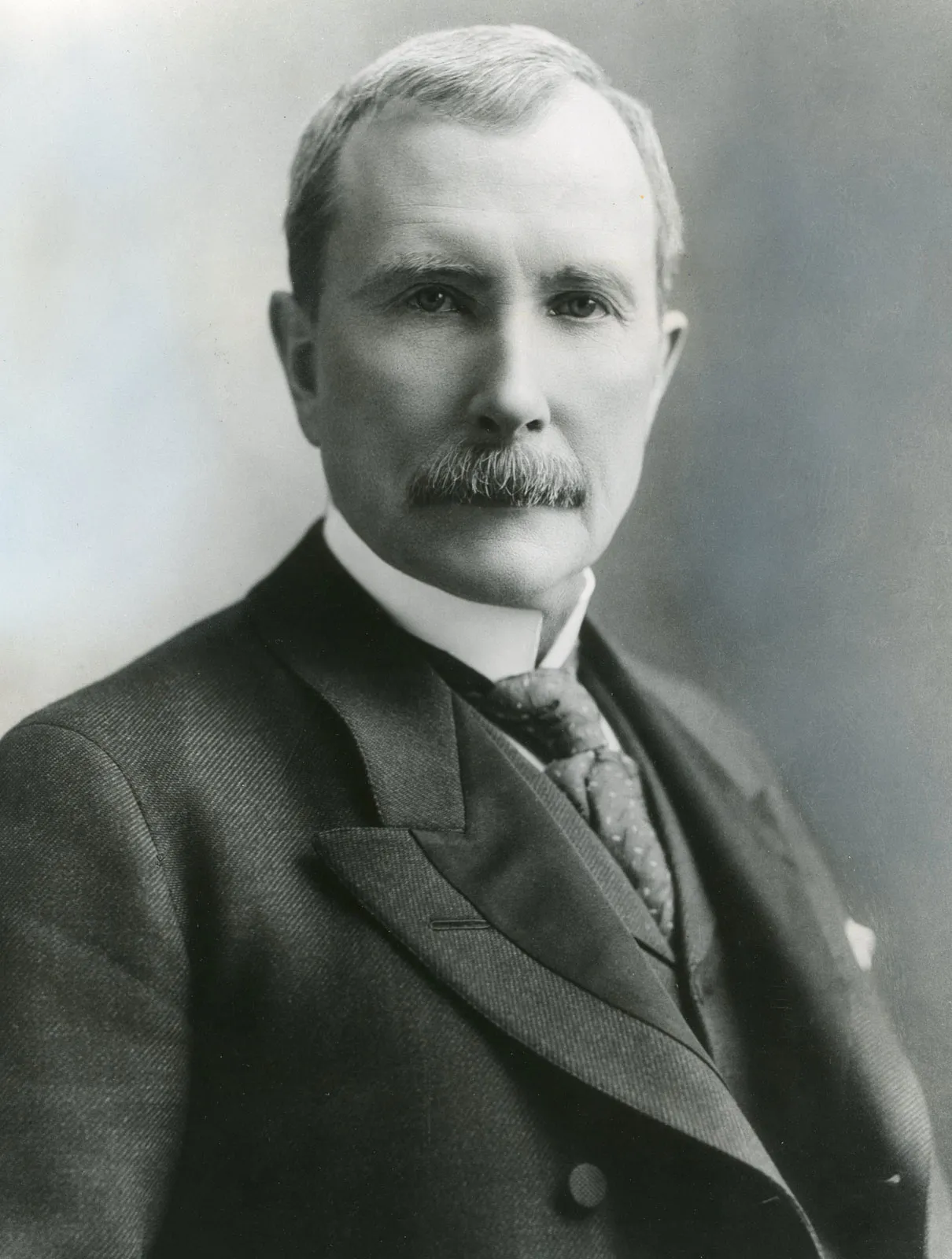
John D. Rockefeller is a legend in the business world. He started the Standard Oil Company.
In the late 1800s, almost everyone used oil for lamps and later for cars. Standard Oil controlled 90% of the oil in the United States.
Because he had a monopoly (which means no competition), he could make a lot of profit.
At the time of his death, his fortune was worth about 1.5% to 2% of the total US economy. If we convert that to dollars today, John D.
Rockefeller would be worth roughly $340 billion to $400 billion. He is often called the richest American in history.
The New York Times wrote many stories about his massive wealth. His family is still very famous in New York and around the world.
Nikolai Alexandrovich Romanov (1868–1918) – The Last Tsar of Russia
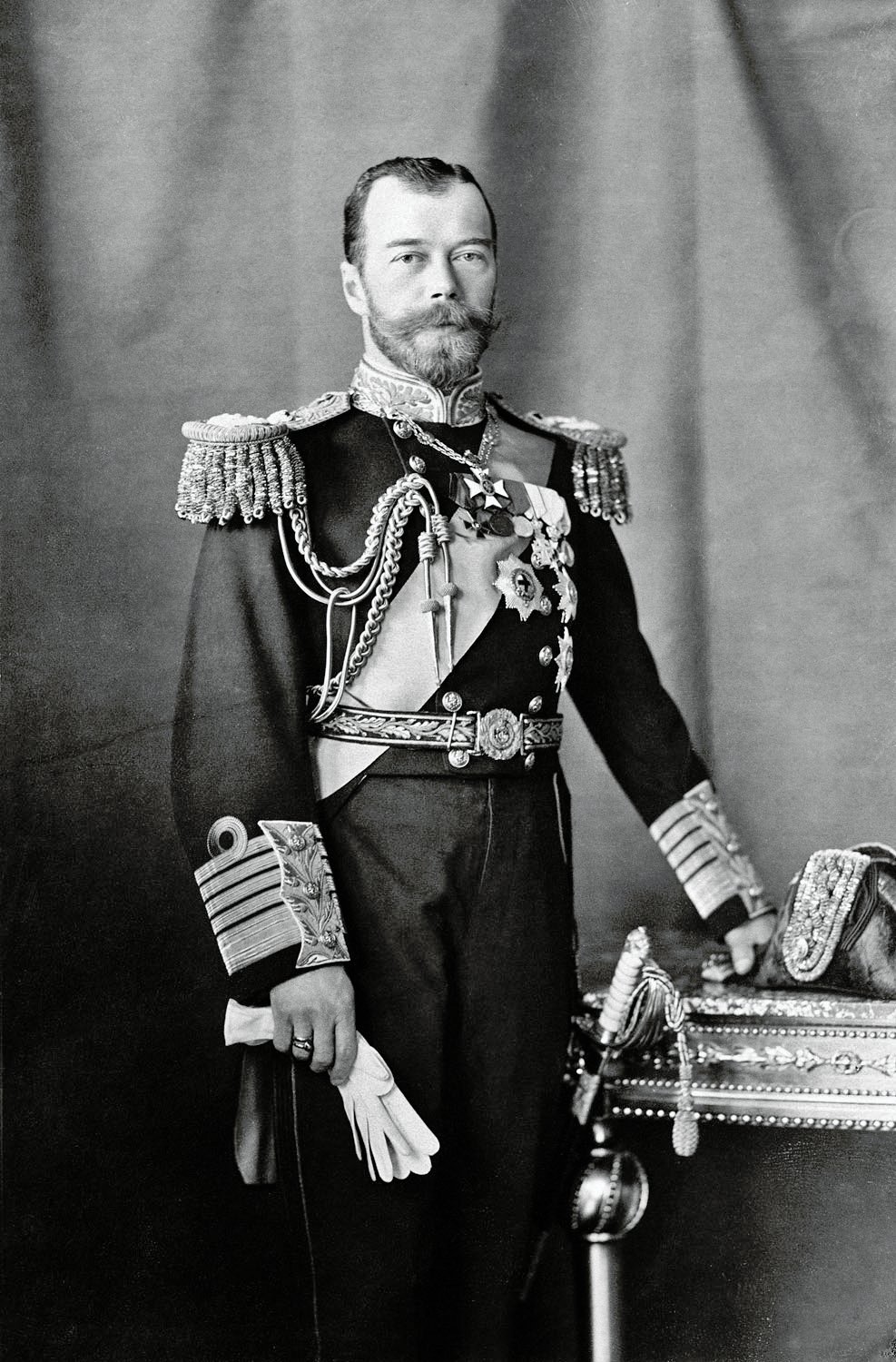
Tsar Nicholas II (Nikolai Alexandrovich Romanov) was the last emperor of the Russian Empire.
Before the Russian Revolution, the Tsar and his family were incredibly rich. He was canonized later by the church, but during his life, he was a ruler with immense assets. He owned millions of acres of land.
He also had huge reserves of gold and jewelry. The Russian Empire was vast, stretching across Europe and Asia. Experts estimate his net worth would be about $300 billion in today’s terms.
Sadly, he lost everything during the revolution, but at his peak, he was one of the richest people to ever live.
Mir Osman Ali Khan (1886–1967) – The Nizam of Hyderabad
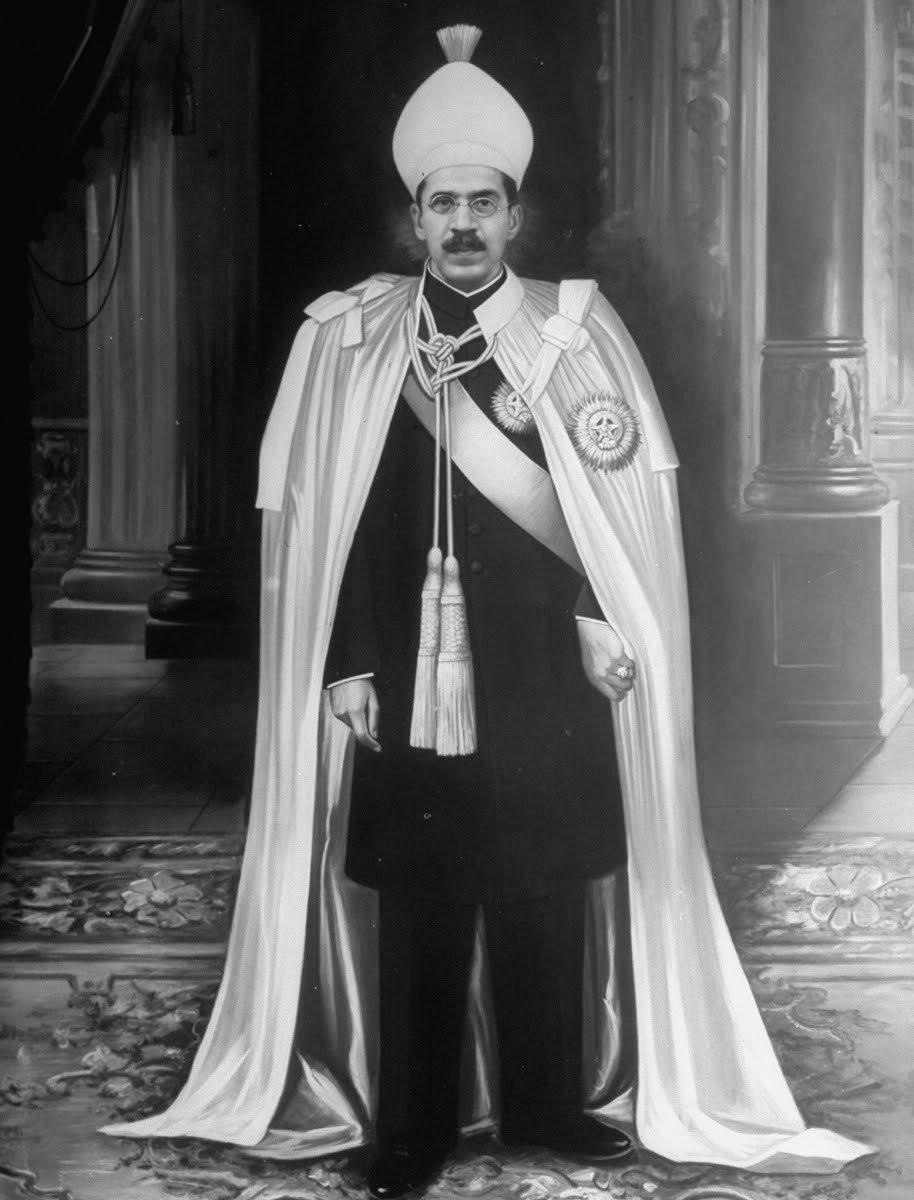
Mir Osman Ali Khan was the ruler of Hyderabad in India until 1948. He was known as the Nizam.
For a large part of the 20th century, he was the richest man in the world. He had a personal fortune of gold and jewels. He famously used the “Jacob Diamond,” which is worth millions of dollars, as a paperweight on his desk! He had his own currency and his own airline.
In the 1940s, his wealth was estimated to be $2 billion. That was a huge amount back then. If we adjust for inflation, his wealth would be over $230 billion today. He appeared on the cover of Time magazine as the richest man in the world.
William the Conqueror (1028–1087) – The First Norman King
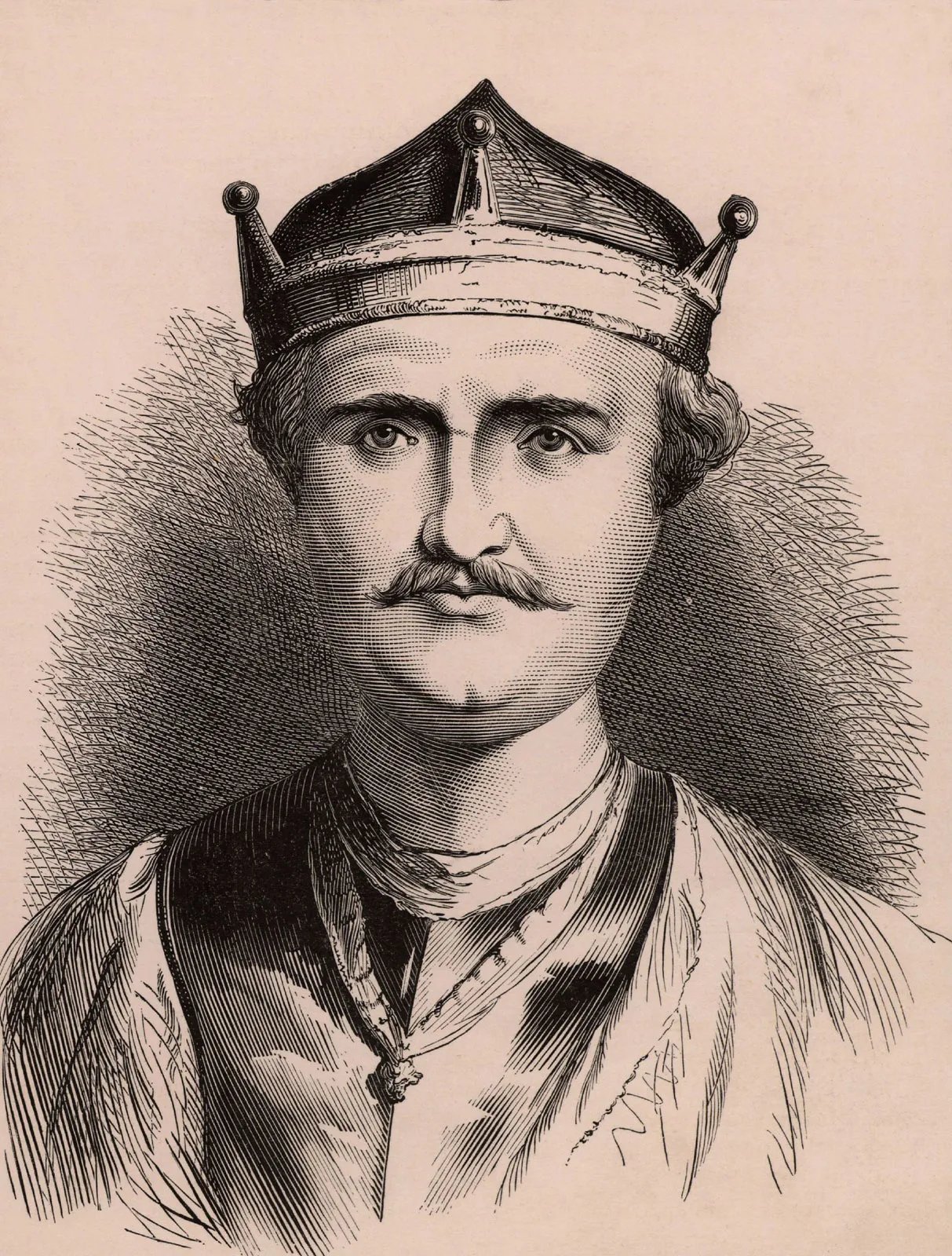
William the Conqueror became the King of England after the Norman Conquest in 1066. When he took over England, he took all the land.
He kept a lot of land for himself and gave the rest to his friends (like his nephew Alan Rufus, who was also very rich).
William owned so much real estate that his wealth was huge. He built castles all over England. Calculations show that he owned roughly $200 billion to $230 billion in today’s money. Being the person who owns a whole country is a good way to be the richest person.
Genghis Khan (1162–1227) – Founder of the Mongol Empire
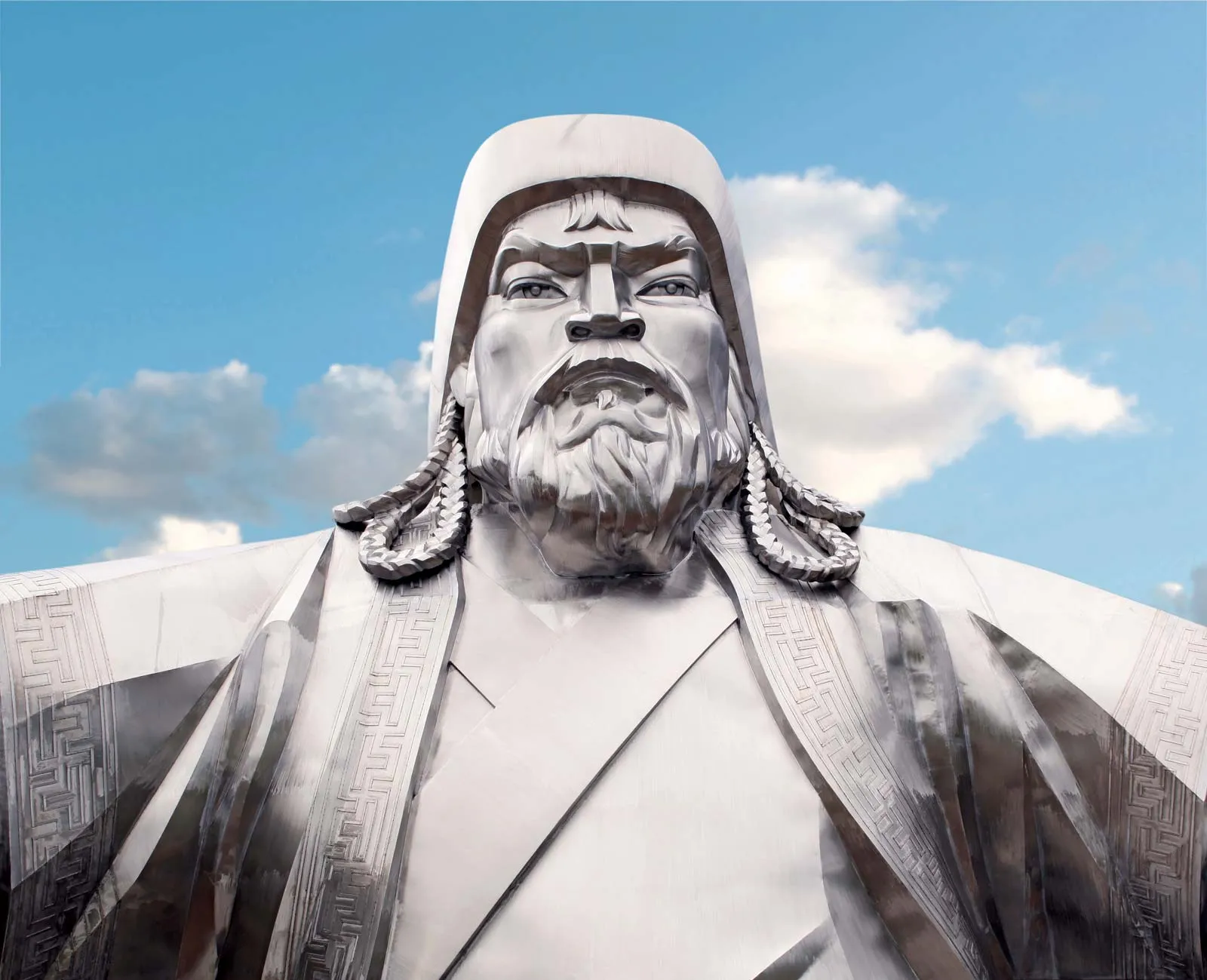
Genghis Khan is a special case. He founded the Mongol Empire, which was the largest connected land empire in human history.
He conquered so much land, from China to Europe.
However, was Genghis Khan the richest man in history? It depends on how you count. He did not hoard gold in a house.
He did not build a giant palace for himself. He shared the “spoils of war” (the things they took from others) with his soldiers.
He controlled a massive amount of land and economic power.
But because he gave so much away to keep his army loyal, his personal wealth is hard to count.
He is on this list because of the sheer power and land he controlled, even if he didn’t have a bank account full of cash.
Modern Billionaires Vs. The Richest Person in History

It is fun to compare the kings of the past with the billionaires of today.
When we look at the Bloomberg Billionaires Index, we see Elon Musk, Bernard Arnault, and Amazon founder Jeff Bezos. They have hundreds of billions of dollars. This is an amazing amount of money.
However, when we look at Mansa Musa or Augustus Caesar, the scale is different.
How Elon Musk and Jeff Bezos Stack Up Against Augustus Caesar?
Elon Musk and Jeff Bezos built companies. Elon Musk has Tesla and SpaceX. Jeff Bezos changed how we shop.
Their net worth comes from the stock market. If the stock market goes down, their wealth goes down.
Augustus Caesar and Mansa Musa did not rely on the stock market. Augustus Caesar owned the country of Egypt.
The farmland in Egypt produced food for the world. This was a very stable source of wealth. Even though Elon Musk is the richest person right now, his wealth is usually around $200 billion to $300 billion.
Augustus Caesar had wealth closer to $4.6 trillion. That means Augustus was more than 15 times richer than Musk!
The richest people of all time operate on a level that modern businessmen cannot easily reach.
Why Industrial Wealth Differs From Sovereign Wealth?
There are two types of big wealth. One is Industrial Wealth, and the other is Sovereign Wealth.
- Industrial Wealth: This is money made from businesses. Andrew Carnegie (steel), John D. Rockefeller (oil), Henry Ford (Ford Motor Company), and Bill Gates (Microsoft) have this kind of wealth. It is huge, but it has limits.
- Sovereign Wealth: This is wealth that comes from being a ruler. Mansa Musa, Genghis Khan, and Emperor Shenzong had this. When you are the law, and you own the land, your wealth is linked to the power of the empire.
Generally, Sovereign Wealth in the past was larger than Industrial Wealth today. However, John D. Rockefeller came very close to the level of kings. His Standard Oil Company was so powerful that the government had to break it up.
FAQ’s:
Who is the #1 Richest Person in History?
Most historians agree that Mansa Musa, the ruler of the Mali Empire, was the #1 richest person. His control over the gold supply in West Africa gave him an estimated net worth that was impossible to count.
Are There Any Modern Men in the Top 10 Richest Men in History?
It is rare to see modern men in the top 10 if we include historical emperors.
However, John D. Rockefeller and Andrew Carnegie often make the list because their wealth was such a high percentage of the US economy. Modern men like Elon Musk or Bill Gates are very rich, but usually fall below the top 10 all-time list when we adjust for inflation.
What Was the Net Worth of the Richest Person in History?
The estimated net worth of Mansa Musa is often described as $400 billion or simply “incalculable.” Augustus Caesar is estimated at $4.6 trillion. These numbers are guesses based on today’s money.
Why is Genghis Khan Considered One of the Richest Men in History?
Genghis Khan is considered rich because he controlled the Mongol Empire. This gave him control over the taxes and resources of a huge part of the world. However, he did not keep the money for himself; he shared it with his people.
Who is the Richest American in History?
The richest American is John D. Rockefeller. At his peak, his wealth from Standard Oil was worth nearly 2% of the entire US economy. In today’s terms, that is much more than Jeff Bezos or Elon Musk.
Conclusion
Looking at the richest person in history teaches us a lot about how money works. Today, we look at the Wall Street Journal and marvel at tech billionaires. We see Elon Musk sending rockets to space and Jeff Bezos delivering packages everywhere. They are the titans of our time.
But history shows us that wealth has taken many forms.
For Mansa Musa, wealth was much gold and generosity. For Genghis Khan, it was land and loyalty. For Augustus Caesar, it was the power of the state. For Andrew Carnegie and John D. Rockefeller, it was building the industries that built modern America.
At The Coin Investor, we believe that understanding the past helps us plan for the future. Whether it is owning real estate, investing in digital assets, or building a business, the principles of wealth creation remain the same: ownership, innovation, and value.
Mansa Musa used his wealth to build the Djinguereber Mosque and universities. Andrew Carnegie built libraries.
The best way to use wealth is to create something that lasts. As you start your own journey of investing, remember these historical figures. They remind us that true wealth is not just about the number in your bank account, but about the impact you make on the world.
Thank you for reading this journey through time. We hope you learned who the real giants of wealth were.
Keep learning, stay curious, and keep investing in your future.