
Categories
Blog Crypto

The Rise and Fall of Crypto Zoo: A Comprehensive Guide to the Project and Controversy

In the last few years, the world of money has changed a lot. We have seen the rise of digital assets, crypto coins, and the colorful world of the NFT space. Many people heard about these things from famous people on the internet.

When celebrities like Elon Musk, Kim Kardashian, Soulja Boy, or Lil Yachty talk about crypto projects, people listen. They think it is a safe way to make money. One of the biggest names to enter this space was YouTuber Logan Paul.

Logan Paul is very famous on social media. He has millions of fans who trust him. He decided to launch a project called Crypto Zoo. He called it a really fun game that would make people money. It was supposed to be a mix of animals and profit. But things did not go as planned.

Instead of a fun game, it became a huge legal dispute.

Many people lost a lot of money. There are now class action lawsuits and investigations. People are asking if this was a crypto scam or just a project that failed. At The Coin Investor, we believe in smart, informed investing. We want to help you understand what happened.

This story is about hype, broken promises, and the hard lessons of the crypto space.

What is Crypto Zoo?
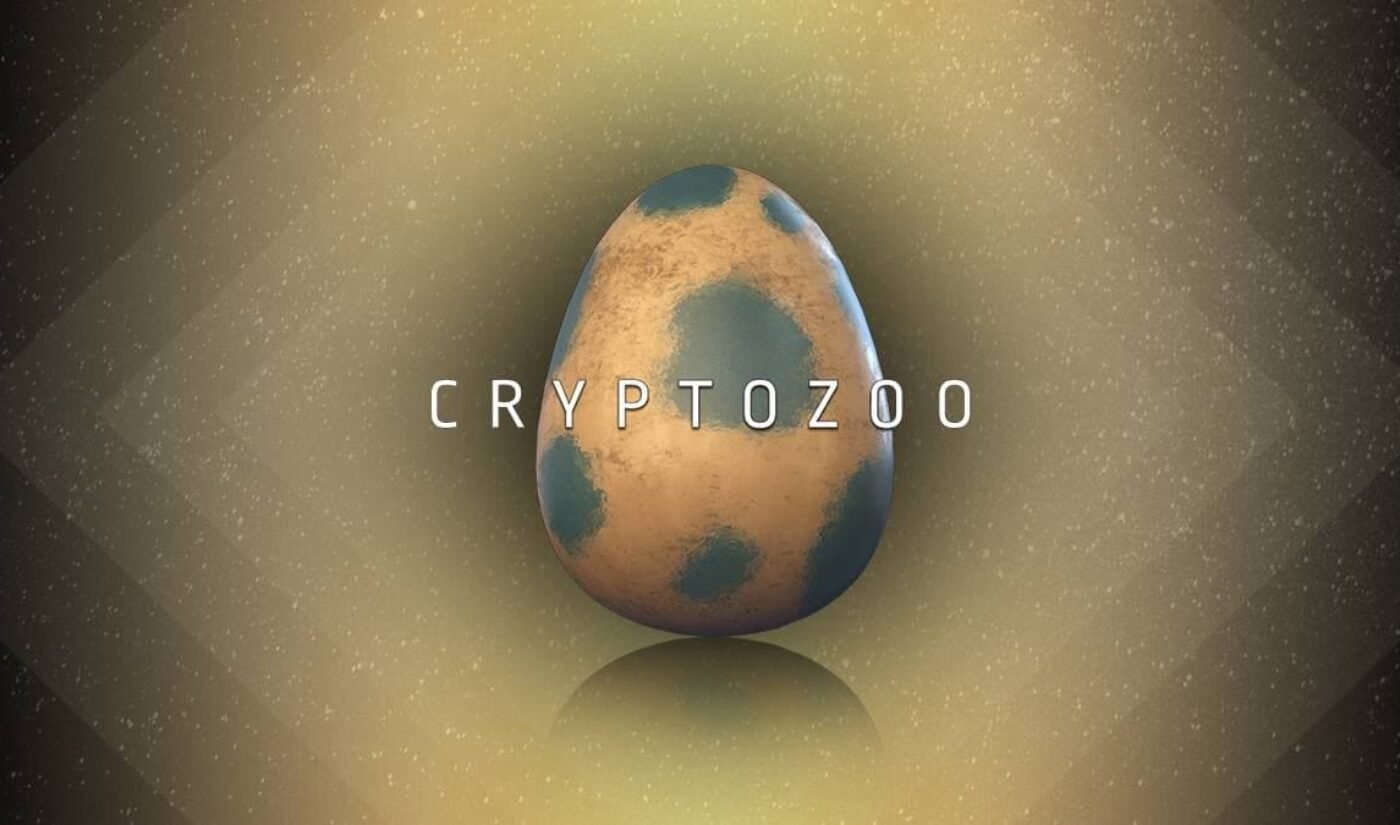
What is Crypto Zoo?

Crypto Zoo was marketed as a blockchain game. It ran on the Binance Smart Chain. The idea was simple but exciting.

It used NFTs (Non-Fungible Tokens) to represent animals. Logan Paul talked about it on his podcast, Impaulsive. He said he spent months working on it with a big team. The goal was to create a “play-to-earn” game. This means you play the game, and you earn money while doing it. It sounded like a dream for many young investors and fans of Logan Paul. He promised it would be a safe place in the wild world of crypto.

The Concept: A Play-to-Earn NFT Game

The main idea of the Crypto Zoo project was to collect digital animals. These were not just pictures; they were NFTs.

In the game, users would buy base egg NFTs. When you hatch a base egg, you get a base animal NFT.

But it didn’t stop there. You could breed these animals together to make hybrid animals.

For example, if you mixed a penguin and a lion, you would get a new, rare animal. These hybrid animals were supposed to be very valuable.

The rarer the animal, the more money it could make for the owner. Logan Paul called it a fun game that allows you to make passive income.

Who Are the Founders Behind Crypto Zoo?

Logan Paul was the face of the project, but he did not work alone. He had a development team and partners.

However, some of these partners had a bad history. One key person was Jake Greenbaum, who is also known as “Crypto King.”

Another was Eddie Ibanez. As people looked closer, they found that some team members were bad actors. Jake Greenbaum and others were accused of not being honest. Logan Paul later blamed these people for the failure of the project. He said they stole code and lied to him.

This mix of people created a lot of problems for the Crypto Zoo game.

The Role of the $ZOO Token

To play the game, you needed Zoo tokens. This was the in-game currency. You would use $ZOO to buy eggs.

When you played the game, you would earn more $ZOO. People bought these zoo tokens hoping the price would go up.

It acted like a stock or a meme coin (like Dink Doink, another coin Logan Paul promoted).

Investors bought millions of dollars worth of these tokens. They thought if the game became popular, the tokens would be worth a fortune.

How Crypto Zoo Was Supposed to Work?
How Crypto Zoo Was Supposed to Work?

The plan for Crypto Zoo sounded great on paper. It was meant to be an ecosystem where everyone wins. Logan Paul said he put his own money into it to make it the best NFT project ever. Let’s look at how the game mechanics were supposed to function for the players.

Purchasing and Hatching NFT Eggs

The first step was to buy base eggs. You would go to the official website or an open market.

You needed to connect your crypto wallet to buy them. Once you had an egg, you had a choice. You could keep it, or you could hatch it.

Hatching the egg required zoo tokens. Once hatched, the egg would turn into a random animal.

Maybe you got a turtle, or maybe a gorilla. These were the base animal NFTs. The excitement of not knowing what you would get was part of the fun. It was supposed to be like opening a pack of trading cards.

Breeding Hybrid Animals For Yield

The real innovation was supposed to be breeding. If you had two base animal NFTs, you could breed them.

This would create hybrid animals. These hybrids were unique.

They looked different and had different stats. The game was designed so that hybrid animals were more valuable than base animals. The system would burn (destroy) the tokens used for breeding.

This was meant to make the remaining tokens more rare and valuable. This is a common strategy in crypto projects to keep prices high.

The Promise of Passive Income

The biggest selling point was “passive income.” This means making money without working. Logan Paul told his fans that the animals would earn yield. Just by holding the NFT in your crypto wallet, you would earn daily zoo tokens.

The rarer your animal, the more daily tokens you would get. It was pitched as a way to build wealth easily. Fans thought they could pay their bills just by playing this really fun game. This promise of easy money is what attracted so many Crypto Zoo buyers.

The Crypto Zoo Scandal and Criticism

The Crypto Zoo Scandal and Criticism

Sadly, the game did not work as promised. In fact, for a long time, the game did not work at all. The Crypto Zoo scandal began when people realized the game was broken. The excitement turned into anger.

Timeline of Delays and Broken Promises

The project launched in 2021.

People spent millions buying eggs and tokens. But when the launch day came, the game didn’t work. You could not hatch eggs properly. You could not breed animals. The yield system was not paying out.

Logan Paul and his team kept saying it was coming soon. They blamed technical bugs.

But months passed, and nothing happened. The “game” was just a website with pictures of eggs. The value of the zoo tokens started to crash. Investors began to panic. They felt like they had been tricked. This was not the innovation they were promised.

Coffeezilla’s Investigation Into Crypto Zoo

The truth really came out because of a YouTuber named Stephen Findeisen, known as Coffeezilla.

He is an internet detective who exposes scams. Stephen Findeisen did a three-part series on Crypto Zoo.

Coffeezilla interviewed the “bad guys.” He talked to Jake Greenbaum. He looked at the blockchain data. He found that the development team had not paid the coders properly. He found out that the founders had secretly kept many tokens for themselves.

Coffeezilla showed that the game was never finished. He called out Logan Paul for not doing his due diligence.

This investigation was shocking. It was watched by millions of people. It made the Crypto Zoo scandal national news.

Accusations Of A “Rug Pull” and Insider Trading

A “rug pull” is when creators of a crypto project take the money and run away, leaving investors with nothing.

Coffeezilla and others accused the team of a rug pull. There was also evidence of insider trading. This means the team bought tokens before the public knew about the project. They bought low and planned to sell high when the fans bought in. We saw suspicious activity in an anonymous crypto wallet linked to the team. Even Paul’s public wallet showed strange movements. The accusations were serious.

They included stealing money, lying to investors, and market manipulation. It wasn’t just a failed game; it looked like a calculated crypto scam.

Logan Paul’s Response to the Crypto Zoo Allegations

Logan Paul’s Response to the Crypto Zoo Allegations

When the Coffeezilla videos came out, Logan Paul was very angry. He did not apologize at first. His reaction made things worse.

Initial Defenses and Threats of Litigation

Logan Paul made a response video.

He attacked Stephen Findeisen. He said Coffeezilla was lying to get views. He threatened to sue him for defamation.

Logan Paul said he was the victim. He said he was betrayed by his team, like Jake Greenbaum and Eddie Ibanez. He claimed he lost money too. He tried to distance himself from the project.

But the crypto community did not buy it. They saw screenshots and heard the recordings. The backlash against Logan Paul was huge. People compared it to other celebrity failures, like when Kim Kardashian got in trouble with the Exchange Commission (SEC).

The Pivot to Accountability and Apology

After a few days, Logan Paul deleted his angry video. He realized he was wrong.

He apologized to Coffeezilla and the cryptozoo buyers. He admitted that mistakes were made. He said he wanted to make things right.

He promised to fix the situation. He said he would take accountability for the Crypto Zoo project. This was a big change from his threats.

He announced a plan to give money back to the people who lost it.

The Current Status of Crypto Zoo

The Current Status of Crypto Zoo

So, where is Crypto Zoo now? Is it a game you can play? The short answer is no. The story has moved from the internet to the courtroom.

Details of the Crypto Zoo Refund and Buyback Program

Logan Paul announced a buyback program. He promised to buy back the Base Egg and Base Animal NFTs from investors.

He set aside about $2.3 million for this. However, there was a catch. He would only pay the original mint price (0.1 ETH) per egg.

This was much less than what many people paid when the price was high. Also, to get the refund, you had to agree to the terms of use of the buyback. These terms said you could not sue Logan Paul.

You had to waive your rights to any legal recourse.

The refund did not cover the zoo tokens. If you held the tokens, you got nothing. The tokens are now basically worthless.

Is the Game Officially Dead?

Yes, the Crypto Zoo game is dead. Logan Paul confirmed that the game will not be released. He said it is not possible to finish it because of the bad code and legal issues. The website is gone or inactive.

The hybrid animals will never exist.

The dream of a really fun game on the Binance Smart Chain is over. It serves as a digital graveyard of a failed NFT project.

Ongoing Lawsuits and Legal Actions

Because many people were unhappy with the refund offer, legal battles started. A class action lawsuit was filed against Logan Paul and his team. A lawyer named Tom Kherkher, also known as Attorney Tom, is leading the fight. He represents many investors who lost money.

The lawsuit was filed in the Western District of Texas. The lawsuit accuses them of breach of contract, fraud, and unjust enrichment.

Attorney Tom argues that Logan Paul used his fame to trick people. The lawsuit says the buyback is not enough.

They want full compensation for the losses.

This legal dispute is still ongoing. It involves looking at Paul’s team, their emails, and their crypto wallet history.

FAQ’s:

Is Crypto Zoo A Scam?

Many people believe it was. While Logan Paul says he intended to make a real game, the actions of his team look like a scam. They took the money and did not deliver the product. The term “soft rug pull” is often used. It is definitely a failed project with many bad actors involved.

Did Logan Paul Refund Crypto Zoo Investors?

He started a refund process, but only for the NFTs (eggs and animals), not the tokens. The refund requires you to sign a legal waiver. Many people feel this refund is too small compared to what they lost.

Can I Still Play Crypto Zoo Today?

No. The game does not exist. You cannot hatch eggs or breed animals. The official website does not offer gameplay.

What Happened to the Money Invested in Crypto Zoo?

Millions of dollars were lost. Some went to the developers who allegedly stole it. Some went into the pockets of the founders. Most of the value just disappeared when the price of the zoo tokens crashed.

What is the Difference Between the $ZOO Token and the Egg NFTs?

The $ZOO token was the money used in the game. The Egg NFTs were the items you bought to get animals. The refund only covers the Eggs, not the $ZOO tokens.

Conclusion

The story of Crypto Zoo is a warning for everyone in the crypto space. It shows that even big celebrities like Logan Paul can promote projects that fail. It teaches us the importance of due diligence. Before you buy digital assets, you must research the team and the technology.

Just because a famous person like Michael Cera, Lake Bell, or Elon Musk is mentioned in the news with crypto, or because Soulja Boy and Lil Yachty promote a coin, it does not mean it is safe. We have seen similar issues with other projects like Dink Doink or the Liquid Marketplace (another venture by Paul). The Crypto Zoo project promised innovation and fun. Instead, it delivered losses and lawsuits.

From the New York Times to YouTube comments, everyone is talking about this failure. Law enforcement and the Exchange Commission are paying closer attention to these things now.

At The Coin Investor, we want you to be safe. We want you to find real opportunities, not rug pulls.

Whether you are looking at Bitcoin or a new NFT project, always be careful. Do not blindly follow hype. The Crypto Zoo scandal is a sad reminder that if something sounds too good to be true, it probably is.

This case involving Attorney Tom, the Western District of Texas, and the angry crypto community will be remembered for a long time. It is a lesson on why trust and transparency are the most important things in the digital economy.


Categories
Bitcoin Blog

Bitcoin 360 AI Review: Is This Trading Platform Legit Or A Scam?

The world of money is changing fast. For a long time, people only used cash or credit cards.

Now, digital assets like Bitcoin are becoming very popular. Many people want to join this new financial world to build their wealth.

However, the crypto market moves very quickly. Prices go up and down every day. This can be hard for new people to understand.

That is where tools like Bitcoin 360 AI come in. At The Coin Investor, we want to make sure you have the best knowledge. We believe in smart investing. We want to help you understand how digital currencies work so you can make choices that fit your financial goals.

Bitcoin 360 AI is a tool designed to help you trade. It uses computers to look at the market for you. This review will explain what this trading platform is, how it works, and if it is safe for you. We will look at the facts so you can decide if this is the best way for you to start trading.

What is Bitcoin 360 AI?

What is Bitcoin 360 AI?

Bitcoin 360 AI is a trading platform that uses special computer programs to buy and sell cryptocurrency for you.

It is often called an “automated trading bot.” The goal of this software is to find trading opportunities that a human might miss.

Humans need to sleep, eat, and rest. We also have feelings like fear or excitement. These feelings can sometimes lead to bad choices with money. A computer does not get tired or emotional.

Bitcoin 360 AI is built to trade 24 hours a day, 7 days a week. It tries to find the best conditions to buy low and sell high.

Understanding the Automated Trading Software

To understand auto trading, think of a pilot flying a plane.

Often, the pilot turns on “autopilot.” The computer flies the plane while the pilot watches.

Bitcoin 360 AI is like an autopilot for your trading account. You give the software some rules, and it does the hard work.

It looks at the cryptocurrency markets all day and night. It is designed to help both experts and beginners.

You do not need to be a financial advisor to use it. The software tries to make the execution of profitable trades easier for everyone.

How the Trading Algorithm Works?

The “brain” of this software is called an algorithm. Bitcoin 360 AI uses artificial intelligence and machine learning to make decisions.

But how does it know what to do?

  • Scanning Market Data: The bot reads a huge amount of market data in real time. It looks at prices, news, and trends.
  • Using Historical Data: It looks at the past. It checks historical data to see how prices moved before. If a price pattern happens again, the bot can guess what might happen next.
  • Speed: Computer algorithms are much faster than humans. They can spot a change in the market in milliseconds.

By utilizing advanced algorithms, the platform attempts to predict whether the price of Bitcoin or other cryptocurrencies will increase or decrease. If it sees a good chance, it makes a trade for you.

Key Features of the Bitcoin 360 AI Platform

Key Features of the Bitcoin 360 AI Platform

There are many service providers in the crypto world. So, what makes this one different?

Let’s look at the main features that might help you on your journey to financial freedom.

User-Friendly Interface

If you are new to crypto trading, looking at charts can be scary. Bitcoin 360 AI has a very simple look. The official website and the dashboard are easy to use. Everything is clearly labeled. You do not need to be a computer expert. The design is made for regular people.

Whether you are using a computer or a tablet, the user-friendly interface helps you navigate without getting lost.

This allows you to focus on your trading preferences instead of fighting with confusing buttons.

High-Speed Execution and Accuracy

In the digital asset market, time is money. A delay of just a few seconds can change a win into a loss.

Because Bitcoin 360 AI uses trading bots, it works very fast. When the software sees a good trade, it buys or sells instantly. This leads to high-speed execution. The system claims to have high accuracy. This means it tries to make more winning trades than losing trades.

While no computer is perfect, being faster than the market is a great way to try and gain an edge.

Security Measures and Data Protection

When you deal with money online, safety is the most important thing. You need peace of mind that your money and details are safe.

Bitcoin 360 AI uses strong security to protect you. They use encryption, which is like a secret code that hides your information. This protects your personal information and banking details. They claim to follow strict rules to stop hackers.

At The Coin Investor, we always say that security is the foundation of trust. It is good to see a platform that takes data protection seriously.

Demo Account Availability

This is one of the best features for beginners.

A demo account lets you practice without using real money. It is like a video game where you play with fake chips. You can see how the trading strategies work in real time. You can watch how the bot trades using live market trends, but your real money stays safe.

This helps you learn the platform. We always suggest using the demo mode first. It gives you helpful information on how the bot behaves before you risk your available funds.

How to Start Trading With Bitcoin 360 AI?

How to Start Trading With Bitcoin 360 AI?

If you feel ready to try cryptocurrency trading with this tool, the process is simple. Here are the steps to set up your account.

Step 1: Registration and Verification

First, you need to go to the official website of Bitcoin 360 AI. You will see a brief registration form.

You will need to provide some basic information:

  • Your full legal name.
  • Your email address.
  • A valid phone number.

It is important to use your real details.

After you fill out the form, a customer service team member or a partner broker might call you. They do this to verify who you are.

This verification is a safety step to keep bad people out of the system.

Step 2: Making the Initial Deposit

To start trading, you need money in your account. The minimum deposit is usually $250. This is your money to trade with, not a fee.

You can pay using different methods. The most common ways are using a credit card, a debit card, or a bank transfer.

The platform aims to make this easy. Once the money is in your account, you are ready for the next step. Remember, only invest money you can afford to lose. This is a key rule of risk management.

Step 3: Setting Parameters and Live Trading

Now comes the fun part. You need to tell the bot what to do. You set up your trading preferences.

You can choose:

  • Which digital currencies to trade (like Bitcoin, Ethereum, etc.).
  • How much money to use on each trade.
  • The level of risk you are comfortable with.

Once you are happy, you can switch to live trading. The trading software will start working. It will look for trading signals and buy or sell for you. You can check your account daily to see how it is doing.

Pros and Cons of Using Bitcoin 360 AI

Pros and Cons of Using Bitcoin 360 AI

Every tool has good points and bad points. To make a smart choice, you need to look at both sides.

Here is a breakdown to help you do your due diligence.

Advantages of the Bot

  • Saves Time: The biggest plus is that it saves you little time. You do not need to sit in front of a screen all day. The bot does the heavy lifting.
  • No Emotions: It removes fear and greed from trading. It sticks to the plan based on market data.
  • 24/7 Trading: The crypto market never sleeps, and neither does this bot. It catches opportunities while you sleep.
  • Easy for Beginners: The user-friendly interface and demo account make it a great way for new people to start.

Potential Drawbacks to Consider

  • Market Risk: The stock market and crypto market are risky. No robot wins 100% of the time. You can lose money.
  • Internet Required: You need a good internet connection. If your internet goes down, the bot might not work right.
  • No Magic: Some people think it is a magic money machine. It is not. It is a tool based on math and historical data.

Is Bitcoin 360 AI Safe For Beginners?

Is Bitcoin 360 AI Safe For Beginners?

At The Coin Investor, we care about your safety. Is this tool right for someone who is just starting? The short answer is: yes, but you must be careful. Bitcoin 360 AI is designed to be simple. However, cryptocurrency trading always has risks.

The platform tries to lower these risks with specific tools.

Risk Management Tools

The platform lets you set limits. This is very important. You can tell the bot, “Stop trading if I lose $50.” This is called a “Stop-Loss.”

Using these settings helps protect your available funds. It ensures you do not lose more than you planned.

Learning to use these tools is the heart of bitcoin trading success. It gives you control over the computer algorithms.

Customer Support and Assistance

If you get stuck, you need help. Bitcoin 360 AI has a customer support team. They are there to answer your questions.

Good customer service representatives can explain things clearly.

Whether you have trouble with your trading account or need help with settings, they should be there to assist.

Having real people to talk to adds a layer of trust. You can usually reach them via email or sometimes a phone call.

FAQ’s:

Is Bitcoin 360 AI Free to Use?

The registration is usually free. You do not pay to sign up. However, you must make a deposit (usually $250) to start trading. Also, the platform might take a very small percentage of your profits as a fee. This is how they pay for the service providers and keep the software running.

How Much Profit Can I Make With Bitcoin 360 AI?

This is the most popular question. The answer depends on many things.

It depends on how much you invest, the market trends, and your settings. Some people make good money, but others can lose money. There is no guarantee of profit. Be wary of anyone promising you will get rich overnight. Focus on steady growth and your financial goals.

Does Bitcoin 360 AI Have A Mobile App?

Currently, Bitcoin 360 AI works best on a web browser. You can access it on your mobile phone, tablet, or laptop through the internet. This gives you the flexibility to check your trading activities from anywhere.

Is Bitcoin 360 AI Supported by Celebrities?

You might see ads on social media saying that famous people like Elon Musk or Jeff Bezos use this bot.

Usually, these rumors are not true. Elon Musk talks about crypto often, but he has not officially said he uses this specific trading software. Do not choose a platform just because of a celebrity rumor. Choose it because it has an excellent reputation and good features.

Can I Withdraw My Money From Bitcoin 360 AI Easily?

Yes, you should be able to withdraw your money. Most platforms allow you to take your profits out to your bank account or credit card. The process usually takes about 24 to 48 hours. It is smart to test this by withdrawing a small amount first to see how it works.

Conclusion

We have looked at many parts of Bitcoin 360 AI. It is a tool that uses advanced algorithms and artificial intelligence to help people trade in the digital asset market. For beginners, the user-friendly interface and the demo account are very helpful features.

It removes the stress of analyzing charts all day. It allows everyday people to join the cryptocurrency trading platform world without needing to be experts in cryptocurrency mining or complex math. However, remember that all trading carries risk.

The crypto market can change very fast. Bitcoin 360 AI can help you find trading opportunities, but it cannot predict the future perfectly.

Here is our final advice:

  • Start Small: Only deposit the minimum amount first.
  • Learn: Use the educational resources and detailed guides provided.
  • Stay Safe: Protect your personal information and password.
  • Monitor: Check your trading account regularly.

The Coin Investor believes in empowering you. Tools like this can be a part of your strategy to find financial freedom.

But the best tool you have is your own brain. Do your due diligence, stay informed, and trade smartly.

If you are ready to see what auto trading can do, Bitcoin 360 AI might be worth a look. Just remember to trade wisely and keep your financial goals in mind.

Categories
Blog

The Richest Person in History: Lessons on Wealth and Power

When we think about being rich, we often look at the news today. We see names like Elon Musk, Jeff Bezos, and Bill Gates. We look at the Bloomberg Billionaires Index or check Business Insider to see who is on top. It is easy to think that the richest people live right now.

After all, technology has made so much money for people around the world. But, if we look back at human history, the story changes.

The richest people of today might not even make the top list if we count the kings and emperors of the past.

At The Coin Investor, we want to help you see the full picture of wealth. We believe in looking at data to understand money.

To find the richest person in history, we have to go back in time. We have to look at historical figures who owned entire countries. We have to look at emperors who controlled half the world’s gold.

In this article, we will find out if Elon Musk is really the richest person in history. We will see if Genghis Khan had more wealth than Amazon founder Jeff Bezos. We will also learn about a king from West Africa named Mansa Musa. Many experts say he had so much gold that nobody could even count it.

Let us look at the top 10 richest man in history and see how his wealth compares to the billionaires we know today.

Who Is Officially the Richest Person in History?

Who Is Officially the Richest Person in History?

This is a very hard question to answer. Today, we can easily see the net worth of a CEO. We know how many shares of stock they have.

But how do you calculate the net worth of a king who lived 1,000 years ago?

Most economic historians agree on one name when asked about the richest person ever. That name is Mansa Musa.

He was the ruler of the Mali Empire in the 14th century. Mansa Musa’s wealth was so vast that people said it was impossible to describe.

He did not just have money in a bank. He owned the land that produced the most gold in the world at that time.

The Legend of Mansa Musa’s Incalculable Fortune

Mansa Musa (1280–1337) became the ruler of the Mali Empire in 1312.

His empire covered a huge part of West Africa, stretching all the way to the Atlantic Ocean.

Under his rule, the Empire of Mali grew very strong. But the world did not know how rich he was until he went on a trip.

Mansa Musa was a devout Muslim. In 1324, he decided to go on a pilgrimage to Mecca.

This is a holy city in the Middle East. He did not travel alone. Contemporary accounts of Musa say he traveled with a caravan of 60,000 men. He brought soldiers, entertainers, and camels. Each camel carried hundreds of pounds of gold.

When he passed through Cairo, Egypt, he gave away so much gold to the poor that he caused a problem. Because there was suddenly much gold in the city, the value of gold went down. Prices for everything else went up. It took years for the economy in Cairo to recover.

This was the only time in history that one man controlled the price of gold in the Middle East just by being generous.

The Catalan Atlas, a famous map from the Middle Ages, shows a picture of him. In the picture, Mansa Musa is holding a gold coin.

This image showed the world that he was the king of gold. When we talk about the richest people, his name is usually number one.

How Historians Estimate Ancient Wealth Vs. Modern Money

How do we compare Mansa Musa to Bernard Arnault or Jeff Bezos? It is tricky. Money changes over time. A dollar today is not worth the same as a dollar 100 years ago. This is called inflation. Also, in the past, wealth was often tied to land and power, not just cash.

Researchers at places like the University of California and journalists at the New York Times try to figure this out. They compare a person’s wealth to the total economic output of the world at that time.

For example, John D. Rockefeller had a lot of money in the early 1900s.

His money was equal to about 2% of the whole economy of the United States. If someone had 2% of the US economy today, they would have trillions of dollars. This helps us see that historical figures were often richer than modern billionaires in today’s terms.

Also, some leaders like Genghis Khan or Joseph Stalin controlled huge empires. Joseph Stalin controlled the USSR, which had a massive economy. But did he own it personally? That is hard to say. This makes creating a list of the richest people of all time very difficult.

However, using economic power as a guide, we can make a very good list.

The Top 10 Richest Men in History

Top 10 Richest Men in History

Here is a list of the top 10 wealthiest men. These men had more power and money than we can imagine. We have adjusted their wealth to match today’s money so you can understand how rich they were.

Mansa Musa (1280–1337) – Ruler of the Mali Empire

Mansa Musa

As we mentioned, Mansa Musa is likely the richest person in history. His net worth is often called “incalculable.”

This means it was too big to count. The Mali Empire was the world’s biggest producer of gold. At that time, gold was the most important thing for trading. Because Mansa Musa owned the gold mines, his wealth kept growing. He used his money to build great things.

He built the famous Djinguereber Mosque in Timbuktu.

He also built schools and universities. His trip to Mecca showed the world the wealth of the Mali Empire.

Even today, when people ask who was the richest person, Musa is the top answer. He had total control over the region’s resources.

In modern history, no single person has had that much control over the world’s gold supply.

Augustus Caesar (63 BC–14 AD) – The First Roman Emperor

Augustus Caesar

Augustus Caesar was the first emperor of the Roman Empire. He lived a long time ago, but his wealth was staggering.

At one point, he personally owned all of Egypt. Imagine owning an entire country as your own private property. That is what Augustus did.

Economic experts say that the Roman Empire accounted for about 25% to 30% of the world’s economic output. Augustus Caesar had personal wealth equal to one-fifth of his empire’s economy.

In today’s terms, his fortune would be worth about $4.6 trillion. This is much more than Elon Musk or Bill Gates.

He could pay for the whole Roman army with his own money. He was not just a leader; he was a financial giant.

Emperor Shenzong (1048–1085) – Leader of the Song Dynasty

Emperor Shenzong

Emperor Shenzong ruled China during the Song Dynasty.

During his rule, China was very powerful. It was one of the most advanced economies in the world. The Song Dynasty created about 30% of the world’s GDP (Gross Domestic Product).

Emperor Shenzong controlled this wealth. He was very smart about money. He created a new tax system that made the government very rich. The personal wealth of the emperor was tied to the nation.

Since the nation was so rich, he was too.

Historians consider him one of the wealthiest historical figures because of the sheer size of China’s economy. He had millions of subjects and huge amounts of trade goods like silk and tea.

Akbar I (1542–1605) – The Great Mughal Emperor

Akbar I

Akbar I was the greatest ruler of the Mughal dynasty in India.

Under his rule, India was a very rich country. The Mughal Empire produced about 25% of the world’s output.

Akbar was a very successful ruler. He was good at getting taxes from the people without making them too angry.

His palace had incredible treasures. He had rooms full of jewels, gold, and silk. His lifestyle was more expensive than the kings of Europe.

In today’s money, his control over India’s economy makes him one of the top 10 richest man in history.

His wealth was similar to the wealth of the Roman Empire under Augustus.

Andrew Carnegie (1835–1919) – The American Steel Tycoon

Andrew Carnegie

Now we move to modern history and the United States. Andrew Carnegie was a Scottish immigrant who came to America with nothing.

He worked very hard and started investing in steel. He built a company called Carnegie Steel. Steel was used to build railroads and skyscrapers in places like New York. In 1901, he sold his company to J.P. Morgan for $480 million. That was a huge amount of money back then.

In today’s money, Andrew Carnegie would be worth over $300 billion. For a long time, he was the richest American.

After he sold his company, he gave away most of his money. He built libraries and schools. He wanted to help others.

But before he gave it away, he was wealthier than Jeff Bezos is today.

John D. Rockefeller (1839–1937) – The Standard Oil Baron

John D. Rockefeller

John D. Rockefeller is a legend in the business world. He started the Standard Oil Company.

In the late 1800s, almost everyone used oil for lamps and later for cars. Standard Oil controlled 90% of the oil in the United States.

Because he had a monopoly (which means no competition), he could make a lot of profit.

At the time of his death, his fortune was worth about 1.5% to 2% of the total US economy. If we convert that to dollars today, John D.

Rockefeller would be worth roughly $340 billion to $400 billion. He is often called the richest American in history.

The New York Times wrote many stories about his massive wealth. His family is still very famous in New York and around the world.

Nikolai Alexandrovich Romanov (1868–1918) – The Last Tsar of Russia

Nikolai Alexandrovich Romanov

Tsar Nicholas II (Nikolai Alexandrovich Romanov) was the last emperor of the Russian Empire.

Before the Russian Revolution, the Tsar and his family were incredibly rich. He was canonized later by the church, but during his life, he was a ruler with immense assets. He owned millions of acres of land.

He also had huge reserves of gold and jewelry. The Russian Empire was vast, stretching across Europe and Asia. Experts estimate his net worth would be about $300 billion in today’s terms.

Sadly, he lost everything during the revolution, but at his peak, he was one of the richest people to ever live.

Mir Osman Ali Khan (1886–1967) – The Nizam of Hyderabad

Mir Osman Ali Khan

Mir Osman Ali Khan was the ruler of Hyderabad in India until 1948. He was known as the Nizam.

For a large part of the 20th century, he was the richest man in the world. He had a personal fortune of gold and jewels. He famously used the “Jacob Diamond,” which is worth millions of dollars, as a paperweight on his desk! He had his own currency and his own airline.

In the 1940s, his wealth was estimated to be $2 billion. That was a huge amount back then. If we adjust for inflation, his wealth would be over $230 billion today. He appeared on the cover of Time magazine as the richest man in the world.

William the Conqueror (1028–1087) – The First Norman King

William the Conqueror

William the Conqueror became the King of England after the Norman Conquest in 1066. When he took over England, he took all the land.

He kept a lot of land for himself and gave the rest to his friends (like his nephew Alan Rufus, who was also very rich).

William owned so much real estate that his wealth was huge. He built castles all over England. Calculations show that he owned roughly $200 billion to $230 billion in today’s money. Being the person who owns a whole country is a good way to be the richest person.

Genghis Khan (1162–1227) – Founder of the Mongol Empire

Genghis Khan

Genghis Khan is a special case. He founded the Mongol Empire, which was the largest connected land empire in human history.

He conquered so much land, from China to Europe.

However, was Genghis Khan the richest man in history? It depends on how you count. He did not hoard gold in a house.

He did not build a giant palace for himself. He shared the “spoils of war” (the things they took from others) with his soldiers.

He controlled a massive amount of land and economic power.

But because he gave so much away to keep his army loyal, his personal wealth is hard to count.

He is on this list because of the sheer power and land he controlled, even if he didn’t have a bank account full of cash.

Modern Billionaires Vs. The Richest Person in History

Modern Billionaires Vs. The Richest Person in History

It is fun to compare the kings of the past with the billionaires of today.

When we look at the Bloomberg Billionaires Index, we see Elon Musk, Bernard Arnault, and Amazon founder Jeff Bezos. They have hundreds of billions of dollars. This is an amazing amount of money.

However, when we look at Mansa Musa or Augustus Caesar, the scale is different.

How Elon Musk and Jeff Bezos Stack Up Against Augustus Caesar?

Elon Musk and Jeff Bezos built companies. Elon Musk has Tesla and SpaceX. Jeff Bezos changed how we shop.

Their net worth comes from the stock market. If the stock market goes down, their wealth goes down.

Augustus Caesar and Mansa Musa did not rely on the stock market. Augustus Caesar owned the country of Egypt.

The farmland in Egypt produced food for the world. This was a very stable source of wealth. Even though Elon Musk is the richest person right now, his wealth is usually around $200 billion to $300 billion.

Augustus Caesar had wealth closer to $4.6 trillion. That means Augustus was more than 15 times richer than Musk!

The richest people of all time operate on a level that modern businessmen cannot easily reach.

Why Industrial Wealth Differs From Sovereign Wealth?

There are two types of big wealth. One is Industrial Wealth, and the other is Sovereign Wealth.

  • Industrial Wealth: This is money made from businesses. Andrew Carnegie (steel), John D. Rockefeller (oil), Henry Ford (Ford Motor Company), and Bill Gates (Microsoft) have this kind of wealth. It is huge, but it has limits.
  • Sovereign Wealth: This is wealth that comes from being a ruler. Mansa Musa, Genghis Khan, and Emperor Shenzong had this. When you are the law, and you own the land, your wealth is linked to the power of the empire.

Generally, Sovereign Wealth in the past was larger than Industrial Wealth today. However, John D. Rockefeller came very close to the level of kings. His Standard Oil Company was so powerful that the government had to break it up.

FAQ’s:

Who is the #1 Richest Person in History?

Most historians agree that Mansa Musa, the ruler of the Mali Empire, was the #1 richest person. His control over the gold supply in West Africa gave him an estimated net worth that was impossible to count.

Are There Any Modern Men in the Top 10 Richest Men in History?

It is rare to see modern men in the top 10 if we include historical emperors.

However, John D. Rockefeller and Andrew Carnegie often make the list because their wealth was such a high percentage of the US economy. Modern men like Elon Musk or Bill Gates are very rich, but usually fall below the top 10 all-time list when we adjust for inflation.

What Was the Net Worth of the Richest Person in History?

The estimated net worth of Mansa Musa is often described as $400 billion or simply “incalculable.” Augustus Caesar is estimated at $4.6 trillion. These numbers are guesses based on today’s money.

Why is Genghis Khan Considered One of the Richest Men in History?

Genghis Khan is considered rich because he controlled the Mongol Empire. This gave him control over the taxes and resources of a huge part of the world. However, he did not keep the money for himself; he shared it with his people.

Who is the Richest American in History?

The richest American is John D. Rockefeller. At his peak, his wealth from Standard Oil was worth nearly 2% of the entire US economy. In today’s terms, that is much more than Jeff Bezos or Elon Musk.

Conclusion

Looking at the richest person in history teaches us a lot about how money works. Today, we look at the Wall Street Journal and marvel at tech billionaires. We see Elon Musk sending rockets to space and Jeff Bezos delivering packages everywhere. They are the titans of our time.

But history shows us that wealth has taken many forms.

For Mansa Musa, wealth was much gold and generosity. For Genghis Khan, it was land and loyalty. For Augustus Caesar, it was the power of the state. For Andrew Carnegie and John D. Rockefeller, it was building the industries that built modern America.

At The Coin Investor, we believe that understanding the past helps us plan for the future. Whether it is owning real estate, investing in digital assets, or building a business, the principles of wealth creation remain the same: ownership, innovation, and value.

Mansa Musa used his wealth to build the Djinguereber Mosque and universities. Andrew Carnegie built libraries.

The best way to use wealth is to create something that lasts. As you start your own journey of investing, remember these historical figures. They remind us that true wealth is not just about the number in your bank account, but about the impact you make on the world.

Thank you for reading this journey through time. We hope you learned who the real giants of wealth were.

Keep learning, stay curious, and keep investing in your future.

Categories
Blog

David Friedberg Net Worth: Best 2025 Insights You Must Know

David Friedberg is a top business leader and investor in Silicon Valley. He changes tech and farming into profitable fields with his innovative approach.

He was born in South Africa and grew up in Los Angeles. He has done well in banking, funding new ideas, and starting his own businesses.

As the head of the Production Board, he co-hosts the All-In podcast. His partners on the podcast are Chamath Palihapitiya, Jason Calacanis, and David Sacks.

His smart ideas for world problems have helped him gain much wealth.

He worked with Larry Page at Google and started The Climate Corporation. This company was one of the first in farming tech.

Through The Production Board, he puts money into health care, food making, and green projects.

David Friedberg Net Worth: 2025

David Friedberg Net Worth: 2025

David Friedberg’s net worth in 2025 is about $1.3 billion, a significant increase from David Friedberg’s net worth of $1 billion in 2023.

This amount places him among the top tech billionaires. Most of his wealth comes from the $1.1 billion deal with Monsanto.

This deal was for The Climate Corporation in October 2013. It was a big event for farming technology.

Friedberg has kept growing his wealth through smart investments and key jobs in different companies.

His net worth estimates range from $1 billion to $1.3 billion. This shows steady growth from angel investing and corporate work.

He also benefits from successful startup sales. His success shows the chances in farming tech, climate solutions, and data help.

Major Investments and Strategic Acquisitions

Friedberg’s investments through The Production Board show his skill in finding growth chances. His key investments are Pattern Ag, Ohalo Genetics, Culture Biosciences, and NorQuin. These companies work on soil biology, gene editing, biotechnology, and sustainable quinoa.

Friedberg aims to support firms that improve food production and fight climate change. The Production Board invests in life sciences, biomanufacturing, and farm technology. He uses patient money and strong know-how to help these companies grow. His wide network is valuable for their success. Also, his investment in Lavoro shows his global view on food production and new markets in Latin America.

Early Life and Academic Background

David Friedberg was born on June 6, 1980, in South Africa, where he spent his early childhood before his family’s transformative move to the United States. This international background would later influence his global perspective on business and his understanding of diverse market dynamics. His upbringing in South Africa provided him with unique insights into resource scarcity and agricultural challenges that would later shape his entrepreneurial ventures.

Childhood in South Africa and Transition to the United States

David Friedberg’s family moved from South Africa to Los Angeles when he was six years old.

They wanted better chances in America’s economy. This move shaped his path as a business person. It also gave him a strong love for the American dream of wealth through new ideas and hard work.

In LA, he grew interested in environmental issues. He became president of the “Students H.O.P.E..” club while in high school.

This early focus on helping the environment later affected his business plans and how he invests. It showed the skills that marked his career in tech and caring for the planet.

Studies at UC Berkeley and Passion for Astrophysics

Friedberg’s school journey started early at Clarkson University in Potsdam, New York. He began at just 16 years old. While studying there, he worked in a pool hall. He also practiced his poker skills. These experiences helped him later in venture capital and startup deals.

After one year, he moved to the University of California, Berkeley, where he earned his bachelor’s degree in astrophysics in 2001.

His studies gave him strong analytical skills. They also helped him understand mathematical modeling well, which was important for his tech job. He worked part-time at the Lawrence Berkeley National Laboratory too. This work allowed him to use these skills on tough scientific problems. He gained useful experience in data analysis and research methods along the way.

Career Foundations and Corporate Experience

David Friedberg Career Foundations and Corporate Experience

After graduating from the University of California, Berkeley, David Friedberg embarked on his professional journey in the financial sector, gaining important experience that would later inform his entrepreneurial spirit and ventures.

His early career combined traditional finance with emerging technology sectors, providing him with a unique perspective on capital markets and business valuation that would prove invaluable throughout his career.

Investment Banking and Private Equity

Friedberg started his job in banking at Jefferies Broadview.

Here, he learned about tech deals and business plans. He did not have formal training in finance. He had only studied physics in school. However, he was good at analysis and played poker in college. These skills helped him do well in a tough field.

This job gave him a better grasp of how tech firms grow. He learned how they get money and make important deals.

Later, Friedberg went into private equity work. This helped him learn more about how to value businesses.

He also learned about smart investments and improving operations. His time with many tech firms taught him how to spot good chances and check their growth potential.

This knowledge from private equity helped him when he started The Production Board. It also guided his smart investments in different fields.

Experience at Google

In March 2004, Friedberg began working at Google. He was one of its first 1,000 workers. He also helped start the Corporate Development group. He joined just before Google’s IPO and saw its fast growth.

As a business product manager for Corporate Development and Business Products, he worked on AdWords. He also made important deals for the company. While working with co-founder Larry Page, Friedberg learned about Silicon Valley culture.

He gained knowledge about innovation and making choices based on data. His time at Google taught him to think big and solve problems from the ground up. These ideas later guided his work with The Climate Corporation and The Production Board.

This experience shaped his views on starting businesses and how technology can help solve world problems.

Business Ventures and Breakthroughs

David Friedberg Business Ventures and Breakthroughs

David Friedberg’s transition from corporate development to entrepreneurship began while he was still working at Google, inspired by a simple observation about the weather’s impact on business operations.

His entrepreneurial journey is a testament to how identifying real-world problems and applying technology solutions can create billion-dollar opportunities in traditional industries like agriculture and insurance.

WeatherBill and The Climate Corporation

In 2006, Friedberg started WeatherBill while working at Google. He saw how weather affected the Bike Hut rental shop in San Francisco.

He learned that about 70% of businesses are impacted by weather. This affects trillions in the economy.

In 2011, WeatherBill received backing from Founders Fund and first offered online weather insurance for various businesses. It provided automatic help against losses due to bad weather.

In 2011, it changed to The Climate Corporation. This new focus was on farming, which Friedberg thought needed better data use.

Friedberg’s work with The Climate Corporation utilized 30 years of data from 200 weather stations. It also used advanced models to create tools for farmers. These tools helped farmers manage their crops better and understand weather changes.

Monsanto bought The Climate Corporation for $1.1 billion in October 2013. This was a big moment for farm tech, making it the first “unicorn” in agriculture. It showed how Silicon Valley ideas can help with food production problems worldwide.

This sale not only secured Friedberg’s future but also showed how tech can solve global challenges in food production.

The Production Board: Vision, Growth, and Influence

After leaving Monsanto in 2015, Friedberg talked with Larry Page. They discussed making an investment tool for global problems in different industries. This led to the start of The Production Board (TPB) in 2017. It was supported by Alphabet’s promise for new ideas.

TPB acts as a holding company and venture foundry. It invests in tech firms in agriculture, life sciences, and biomanufacturing.

Unlike regular venture capital, TPB has a lasting capital setup for long-term investments. Its list includes leading companies like Ohalo Genetics and Pattern Ag. These firms work on important issues in food production and sustainability.

In 2021, TPB got $300 million from big investors like Alphabet and BlackRock. This showed Friedberg’s goal to solve global issues through business. TPB mixes strong scientific research with real-world use. It builds new companies instead of just funding old ones.

Media Presence and Public Thought Leadership

David Friedberg Media Presence and Public Thought Leadership

David Friedberg’s influence extends far beyond his business ventures through his prominent media presence and thought leadership in technology, economics, and innovation. His ability to communicate complex concepts clearly has made him a sought-after voice on critical issues facing society, from climate change to economic policy and technological advancement.

Podcasting with the All-In Podcast and Industry Influence

Friedberg became well-known as a co-host of the All-In podcast. He works with Chamath Palihapitiya, Jason Calacanis, and David Sacks. The podcast started in March 2020 during the COVID-19 pandemic.

It quickly grew to be one of the top shows on Apple and Spotify. Millions of listeners tune in each week. The show’s success is due to the hosts’ expert views on tech, business, and money matters. They also discuss tough topics openly.

Friedberg is famous for his science skills and data use. People call him “The Sultan of Science.” He often talks about climate change and how science meets policy. The podcast shapes talks in Silicon Valley and other places too. It brings a lot of media attention to tech topics.

The All-In podcast has featured big names like Elon Musk, Ray Dalio, Bill Gurley, and President Trump. This allows Friedberg to talk with key leaders in various fields. His role helps him have a greater impact on discussions in Silicon Valley beyond just his businesses.

Notable Public Speaking and Contributions to Innovation

Friedberg often speaks at big industry events and schools. He shares his thoughts on business, farming tech, and green practices. Some of his talks are at the World Agri-Tech Innovation Summit and Stanford eCorner. He also speaks at many venture capital meetings.

At these events, he talks about how food production may change and tech can help with world issues.

Besides speaking, Friedberg helps new ideas grow by advising groups like Pattern Ag and Lavoro. He gives smart advice and shares his know-how in how to run a business well. His mix of tech skills, business sense, and experience in Silicon Valley makes him a great helper for new business owners and investors. Friedberg writes for industry magazines too.

He joins talks on farming tech, climate change, and new rules for innovation. His science background with real-world business skills gives him a special view. He knows how to use tech to solve social problems while also making money.

Cultural Impact and Philanthropy

David Friedberg shapes the link between science, business, and social growth. He co-hosts the All-In podcast.

On this show, he shares data-driven ideas about tech, money, and climate change. He believes that innovation is important for culture. Friedberg speaks at events like the World Agri-Tech Innovation Summit.

These talks help improve discussions on food systems and reducing carbon footprints. He pushes for teamwork across different fields to solve tough problems like national debt and farming strength. He focuses on facts and working together.

Outside of work, Friedberg helps with charity in areas like nature care, learning, and health for communities. He rides in charity bike events for groups like Tour de Cure for Diabetes and Ronald McDonald House Charities. He also sits on the boards of the California Academy of Sciences and the Global Crop Diversity Trust. He supports biodiversity and smart farming methods that help with climate issues.

Friedberg invests in education tech and ocean care as well. This shows his wish to help grow future innovators while saving marine life. Through giving wisely and being active, Friedberg shows how business creativity can lead to lasting change.

Conclusion

David Friedberg started his life in South Africa.

Now, he is a billionaire in Silicon Valley. His story shows how strong businesses and entrepreneurial skills with new ideas can change the world. His net worth is about $1.3 billion.

This comes from his work on big global problems using tech and green projects.

He started The Climate Corporation, which was the first big success in farming tech. He also leads the Production Board and Ohalo Genetics.

Friedberg is always finding new ways to improve farming tech and health science.

He has skills in many areas, like math, banking, and working at Google. This mix helps him see how to innovate better.

Through the Production Board, he helps new companies deal with important issues like food production and climate change.

Friedberg’s impact goes beyond just making money; he shares ideas as a leader on the All-In podcast. As CEO of The Production Board, he directs its projects for better farming methods and sustainability. He is a major player in Silicon Valley’s business scene for years to come.

FAQs

Which companies has David Friedberg invested in recently?

David Friedberg has put money into many projects with The Production Board. He focuses on tech and green ideas. Some of his latest key investments are in Ohalo Genetics. He is the CEO there and works on gene editing for crops. Another investment is Pattern Ag, which helps farmers with soil data. He also invested in Culture Biosciences to help biotech grow.

Other big investments include Lavoro, the largest farm supplier in Latin America. He also invested in NorQuin, which makes quinoa in a green way. The Production Board also puts money into life sciences and food tech. This is all part of Friedberg’s plan to solve big world problems through new ideas.

Who is the spouse of David Friedberg?

David Friedberg is married to Allison Broude Friedberg. She keeps a low profile even though he is well-known. Allison works as a director at Smart Start SF. She has degrees from UC Davis and St. Mary’s College of California. The couple values their family privacy. They support each other’s work lives. Allison helps David with his business journey. She aids him in balancing work and home life.

This is important for his roles at The Production Board, Ohalo, and other projects. They live together in San Francisco. They have been married for many years, keeping their relationship details private.

How did David Friedberg get rich?

David Friedberg built his wealth mainly from selling The Climate Corporation for $1.1 billion to Monsanto in 2013. This deal made him a leading entrepreneur and angel investor in Silicon Valley. His career started in investment banking and private equity.

He then took an important job at Google in corporate development. There, he learned a lot about tech operations and investments. Friedberg’s plan mixed taking risks with building businesses and using capital wisely. After selling The Climate Corporation, he started The Production Board.

He received help from Alphabet and Larry Page for this venture. It focuses on long-term investments in farm tech, life sciences, and sustainability. He continues to grow his wealth through smart investments and roles in fast-growing companies.

How much does David Friedberg earn annually?

David Friedberg earns different amounts each year. This is due to how well his investments do, business sales, and his roles in his companies. Estimates say he makes about $4 million from his main pay and board jobs. However, this amount changes based on how well the businesses perform. His income comes from several sources. He gets paid as CEO of The Production Board and Ohalo.

He also earns money from board member fees and venture capital gains. Friedberg focuses on growing his wealth over time. He prefers owning parts of companies instead of just getting a high salary each year. His company setup helps him put profits back into new projects. This plan leads to more growth in wealth mainly through owning parts of companies rather than just from pay or consulting work.

How old is David Friedberg?

David Friedberg was born on June 6, 1980. He is 45 years old in 2025. He is a billionaire and entrepreneur. His young age shows how fast people can make money in Silicon Valley’s tech field. This is true for those who take chances in new markets. Friedberg started WeatherBill when he was 26 years old. He left The Climate Corporation at the age of 33. His story shows how young business owners with skills and ideas can earn a lot. They can do this in fast-growing fields like agtech and life sciences.

Categories
Blog

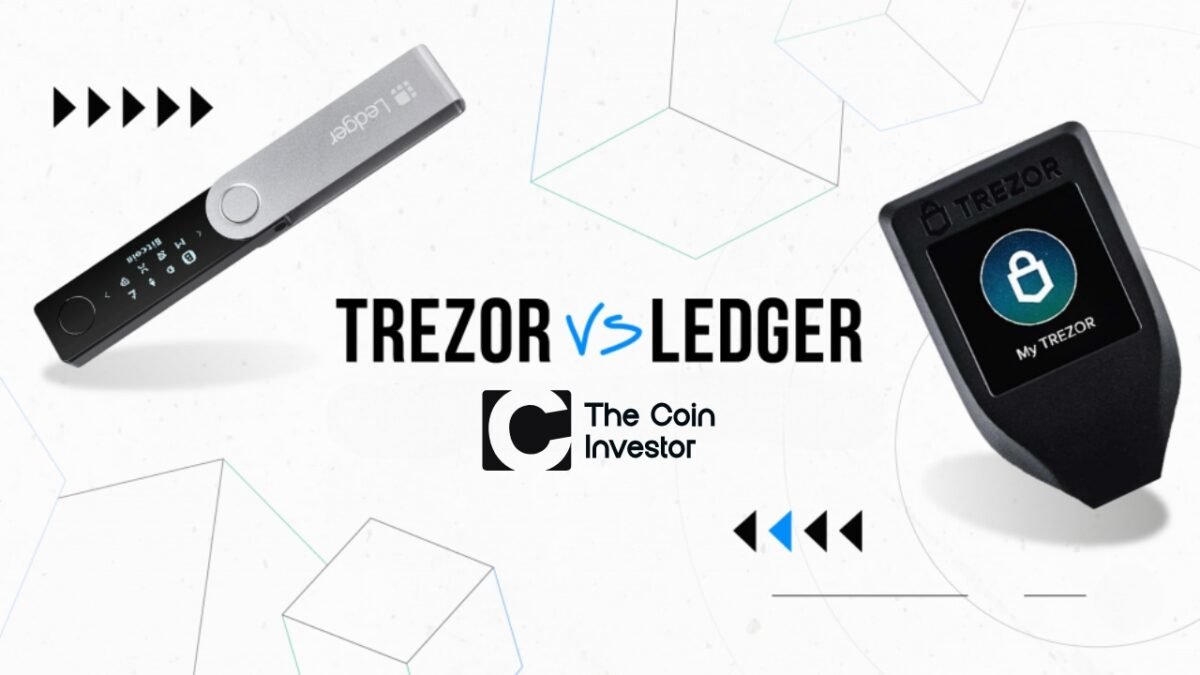
Trezor Vs Ledger: Which Is Best In 2025?

In the digital asset revolution, securing your investments is paramount.

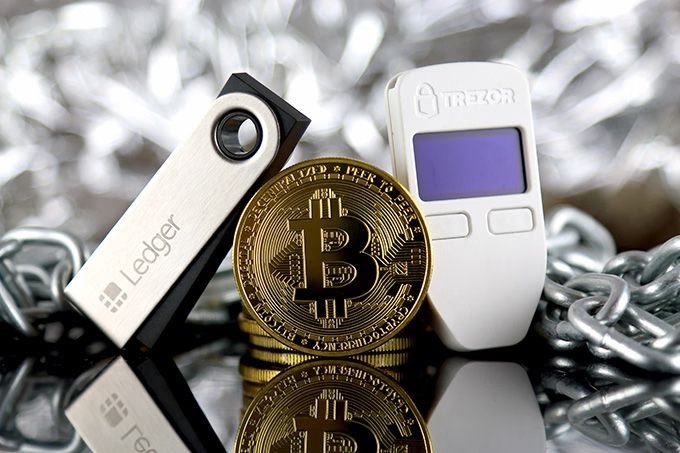
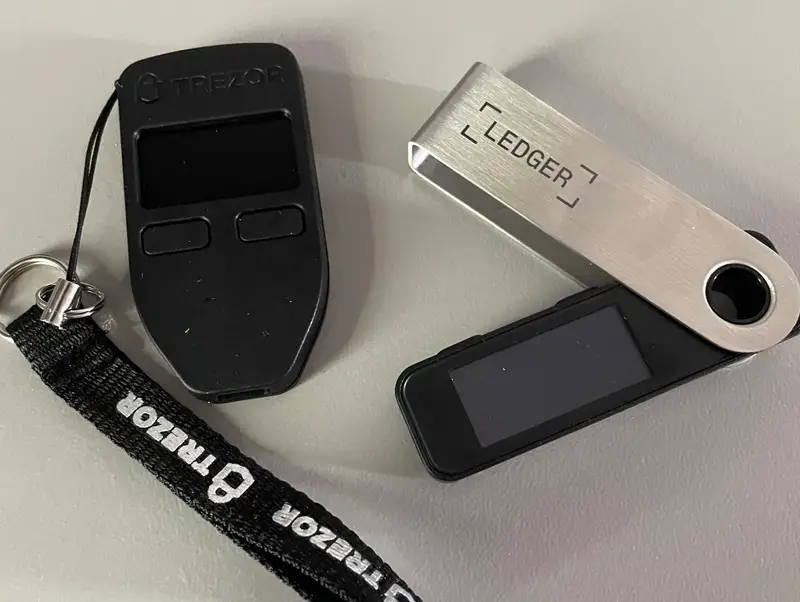
A hardware wallet provides strong protection for your crypto assets by keeping your private keys offline, a method known as cold storage. This isolates your funds from online threats. Two of the most prominent names in this space are Trezor and Ledger.

Choosing between Trezor vs Ledger depends on your priorities, from security philosophy to user experience.

This guide offers a detailed comparison to help you determine which of these best crypto wallets aligns with your investment strategy, giving you complete control over your digital assets.

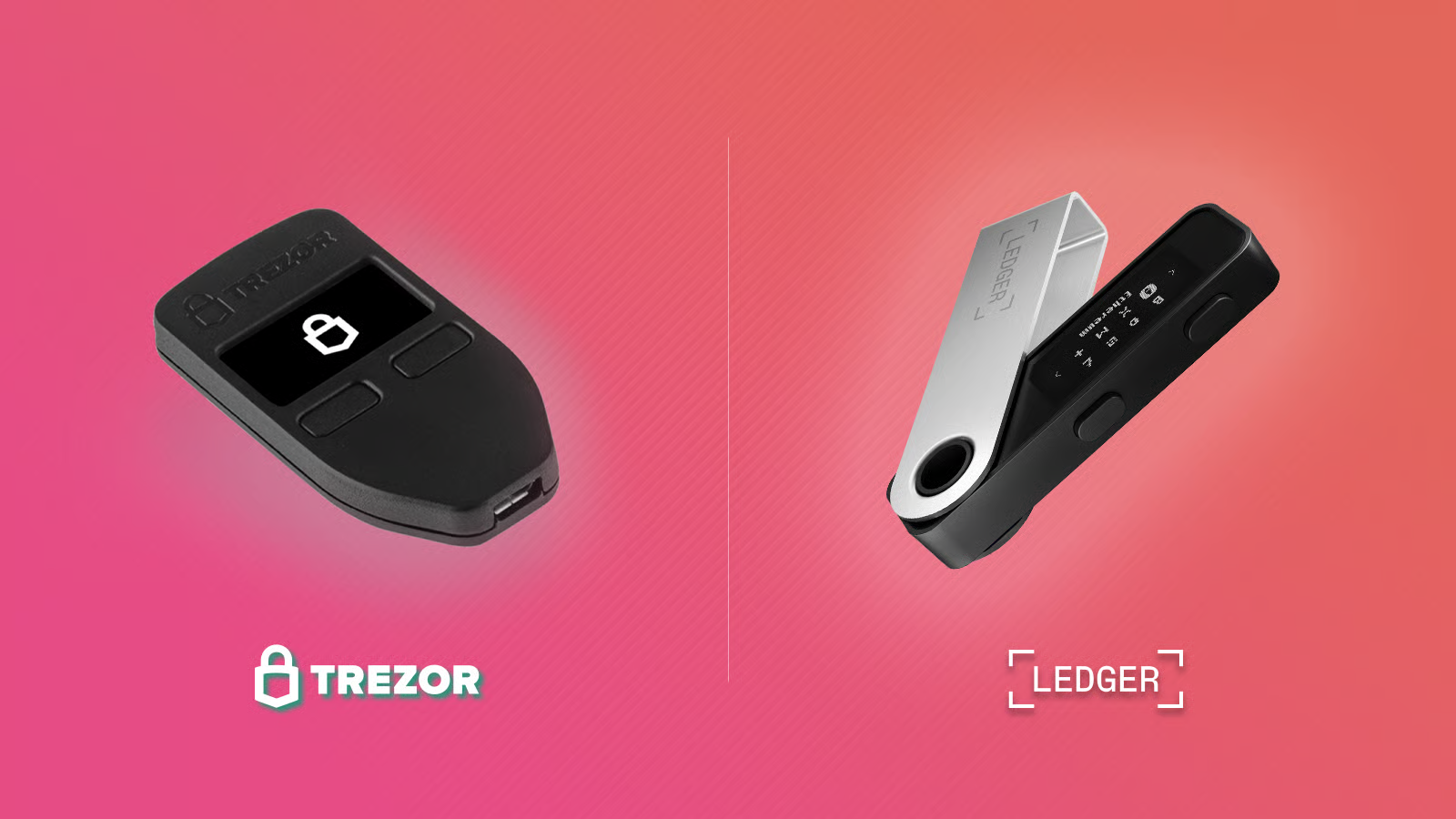
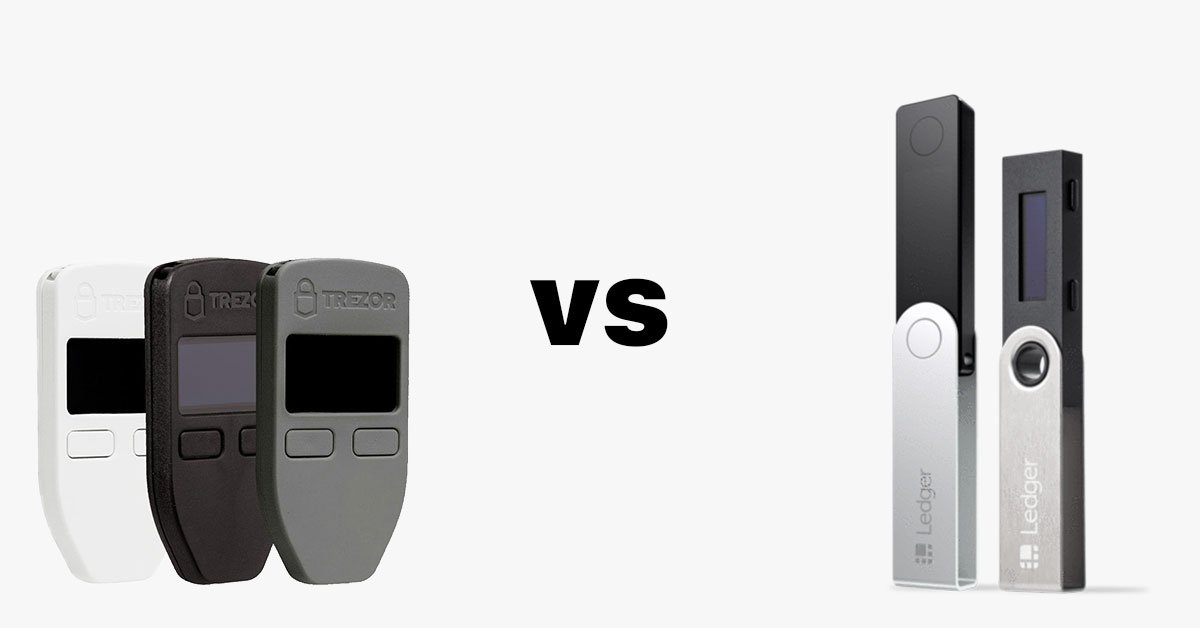
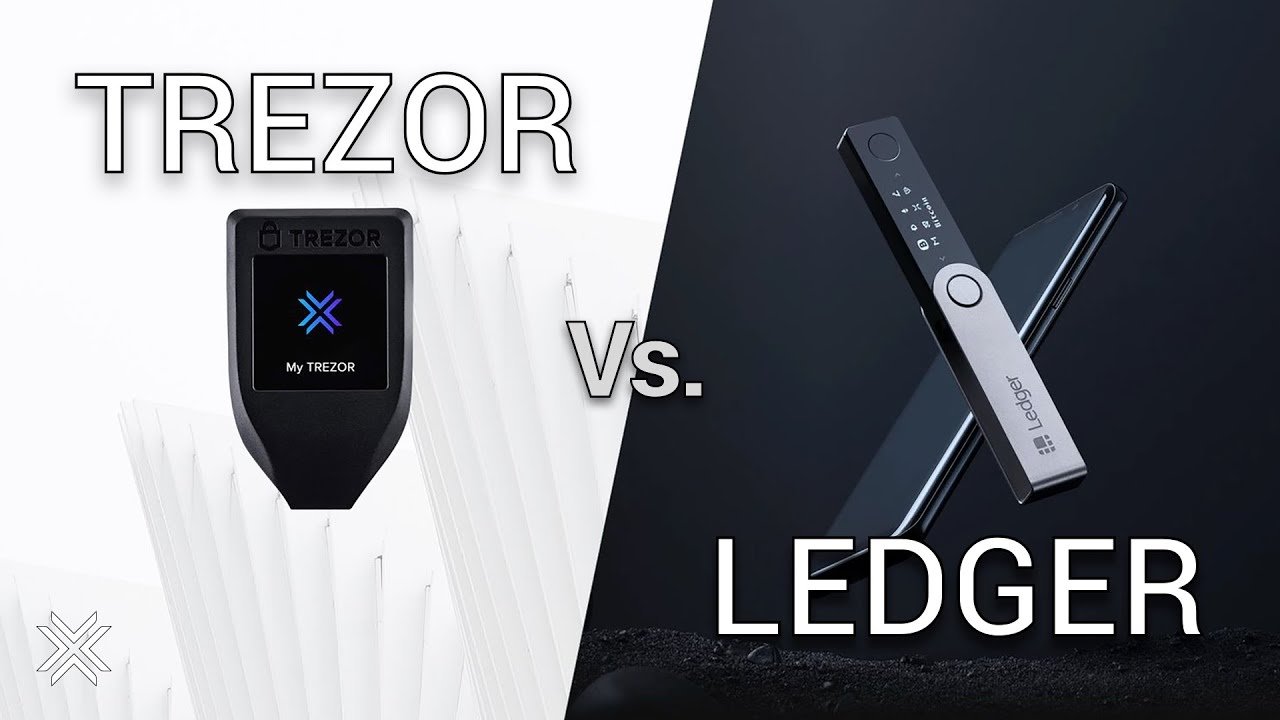
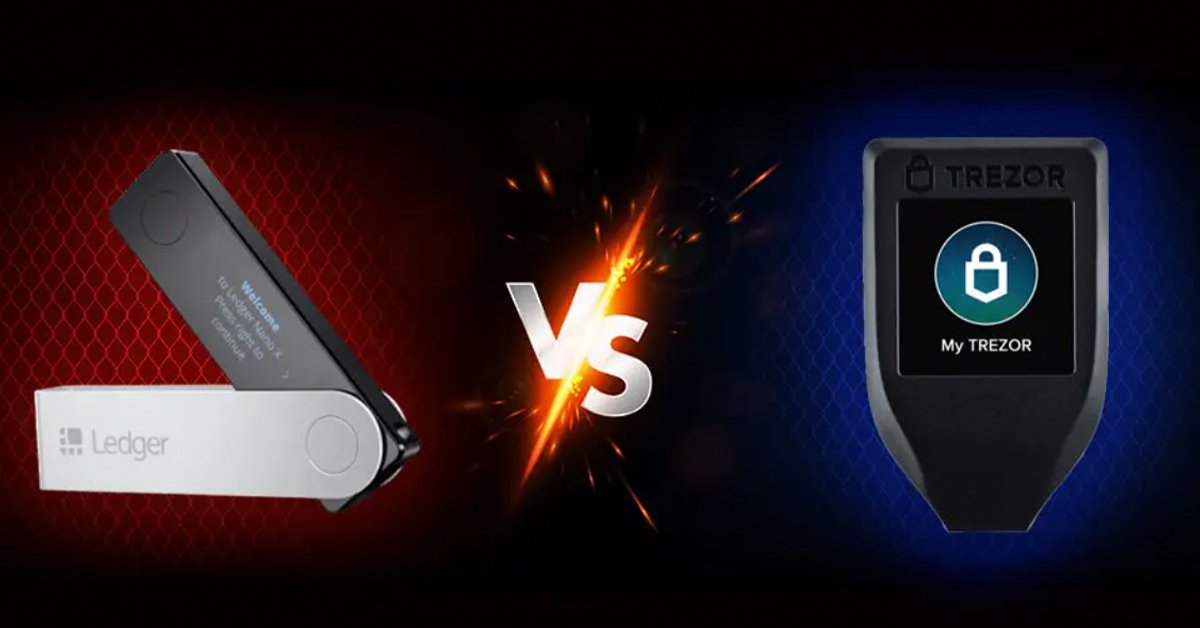
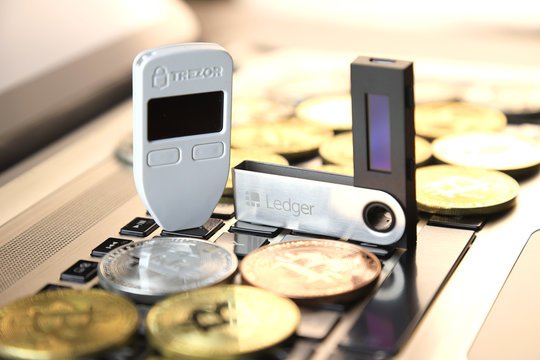
Trezor vs Ledger

Trezor vs Ledger

When selecting a crypto wallet, investors are often faced with the Trezor vs Ledger decision.

Both brands are leaders in the hardware wallet market, but they have key differences in their approach to security, product design, and functionality. This comparison will break down these distinctions to help you make an informed choice.

Company Backgrounds and History

Trezor was launched in 2014 by SatoshiLabs, a pioneer in the cryptocurrency space.

The company is credited with creating the first commercially available hardware wallet, the Trezor One. Its foundation is built on the principle of open source security, fostering transparency and community trust from the beginning.

Ledger, also founded in 2014, emerged from the merger of three French startups.

The company quickly became a major force by focusing on a different security model. Ledger devices integrate a secure element chip, similar to those used in passports and credit cards, to protect private keys.

Market Presence in the United States

Both Trezor and Ledger have a significant market presence in the United States, with their products widely available through official websites and authorized resellers. They are considered the top two choices for investors seeking cold wallets.

Ledger has often been noted for its strong marketing and broad appeal, while Trezor maintains a loyal following, particularly among long-time cryptocurrency advocates and those who prioritize its open-source nature.

Trezor vs Ledger Models

Trezor vs Ledger Models

The two brands offer a range of devices at different price points, each with different features designed for various user needs, from beginners to advanced users.

Key Features of Trezor Safe 5 and Safe 3

The latest Trezor wallets show a significant evolution. The Trezor Safe 3 was the first Trezor model to incorporate a secure element, adding a layer of protection against physical attacks. The new flagship, the Trezor Safe 5, builds on this with more advanced features.

It boasts a large color touchscreen with haptic feedback for a more intuitive user experience and features an enhanced backup standard. It also includes the secure element chip while maintaining the brand’s commitment to transparency.

Both models integrate seamlessly with the Trezor Suite application for managing crypto assets.

Key Features of Ledger Nano X, Stax, and Flex

Ledger’s lineup is known for its sleek design and range of features.

The Ledger Nano S Plus is an evolution of the classic Ledger Nano S, offering more memory for apps. The Ledger Nano X is a popular choice due to its Bluetooth connectivity, allowing it to be used with a mobile device via the Ledger Live app.

For those seeking a premium experience, the Ledger Stax features a large, curved E Ink touchscreen and wireless charging. The Ledger Flex bridges the gap, offering a modern touchscreen and premium features at a more accessible price point than the Stax. All Ledger devices are built around the company’s proprietary Blockchain Open Ledger Operating System (BOLOS).

Trezor vs Ledger: Security Architectures Explained

Trezor vs Ledger: Security Architectures Explained

The main difference between the two brands has historically been their approach to security architecture. This is a critical factor when choosing the best hardware wallet for your needs.

Trezor’s Open-Source Approach

Trezor has built its reputation on a fully open-source security model. Both the hardware and software are open for public scrutiny, which allows security researchers to audit the code and identify potential vulnerabilities.

This transparency is a core part of the Trezor hardware wallets‘ appeal. While earlier models like the Trezor Model T relied solely on this approach, the newer models now include a secure element as well, combining transparency with enhanced physical protection.

Trezor vs Ledger: Ledger’s Secure Element Technology

Ledger’s security is centered on its secure element chip.

This is a physically isolated chip designed to withstand sophisticated physical attacks.

It runs Ledger’s custom Open Ledger Operating System (BOLOS).

The secure element ensures that private keys are never exposed to your computer or the internet, providing robust security features.

While the hardware’s architecture is proven, the software is not fully open source, a point of contention for some community members.

Side-by-Side Security Feature Analysis

Both brands offer strong security features.

  • PIN Protection: Both require a PIN to unlock the device.
  • Passphrase: Both support an optional 25th word (passphrase) that creates a hidden wallet for plausible deniability and added security.
  • Physical Security: Ledger has historically had an edge against physical access threats due to its secure element chip. However, with the Trezor Safe 3 and Safe 5 now including a secure element, this gap has narrowed significantly.
  • Backup: Both use a standard seed phrase (recovery seed) for backup. The Trezor Model T and Safe 5 also offer an advanced Shamir Backup system, which splits the recovery phrases into multiple shares.

Trezor vs Ledger: Supported Cryptocurrencies and Tokens

Trezor vs Ledger: Supported Cryptocurrencies and Tokens

The ability to manage a diverse portfolio of digital assets is a key consideration for many investors.

Number and Range of Supported Coins

Ledger generally supports a wider range of cryptocurrencies and tokens directly within its Ledger Live application, boasting support for over 5,500 assets. Trezor also supports thousands of coins and tokens through its Trezor Suite and third-party integrations, including popular options like the Trezor Model T, but Ledger’s native support is typically more extensive.

NFT and Token Management Capabilities

NFT management is becoming increasingly important. The Ledger Live app provides a more integrated experience for viewing and managing NFTs. While Trezor wallets also support NFTs, the process often relies on connecting the device to third-party marketplaces or wallets, making the user experience slightly less seamless compared to the Ledger Live application.

Trezor vs Ledger: Wallet Features and Functionality

Trezor vs Ledger: Wallet Features and Functionality

The day-to-day usability of a hardware wallet is defined by its on-device interface and its backup mechanisms.

On-Device Controls and Display Screens

The user experience varies across models. The Ledger Nano S Plus uses two physical buttons for navigation.

The Ledger Nano X has a similar button-based system. In contrast, the Trezor Model T and the newer Trezor Safe 5 feature a color touchscreen, providing a more intuitive interface for verifying transactions.

The Ledger Stax and Ledger Flex also offer large touchscreens, which greatly improve ease of use.

Backup, Recovery, and Passphrase Options

Both wallets rely on a recovery phrase (typically 12, 18, or 24 words) to restore access if the device is lost or damaged. This seed phrase gives you complete control over recovering your crypto assets.

Trezor offers an advanced recovery method called Shamir Backup on its premium models, which adds another layer of security by splitting the recovery phrases. This is one of the additional features that appeal to advanced users.

Trezor vs Ledger: Connectivity and Integration

Trezor vs Ledger: Connectivity and Integration

A hardware wallet’s utility is enhanced by its ability to connect with desktop and mobile software.

Desktop and Mobile App Compatibility

Ledger offers the Ledger Live software, a comprehensive platform for desktop and mobile that allows users to manage their portfolio, stake assets, and access dApps.

The Ledger Nano X, Stax, and Flex offer Bluetooth connectivity, making them easy to use with the dedicated mobile app.

Trezor provides the Trezor Suite, a desktop and web application that offers a clean interface for managing assets.

Trezor’s mobile app has traditionally been view-only for iOS, with full functionality requiring a cable connection.

Third-Party Wallet Integrations

Both Trezor and Ledger devices are compatible with a wide range of third-party software wallets like MetaMask, Yoroi, and others.

This allows users to securely manage assets that may not be directly supported in Trezor Suite or Ledger Live, and to interact with the broader DeFi and Web3 ecosystems while keeping their private keys offline.

Trezor vs Ledger: Ease of Use for Beginners and Experts

Trezor vs Ledger: Ease of Use for Beginners and Experts

A smooth onboarding process and accessible support are vital for a good user experience.

Setup Process and User Interface

Both brands have focused on making their setup processes straightforward.

The Ledger Live application guides users through initialization, and its intuitive interface is often praised by beginners.

Trezor Suite also provides a simple setup flow.

The choice between a touchscreen device like the Model T or Ledger Flex and a button-operated one like the Nano S Plus can significantly impact the perceived ease of use.

Customer Support and Educational Resources

Ledger and Trezor both offer extensive online knowledge bases and support resources to help users troubleshoot issues. Customer support is typically handled through ticketing systems.

Community forums and social media channels are also valuable resources for both Trezor users and Ledger users.

Trezor vs Ledger: Pricing and Value for Money

Trezor vs Ledger: Pricing and Value for Money

Cost is an important factor, with both brands offering models at various different price points.

Cost of Trezor Devices in the US

Trezor has traditionally been a very cost-effective option. The entry-level Trezor One is priced at approximately $59.

The newer Trezor Safe 3, with its secure element, costs around $79, while the premium Trezor Model T is priced at about $179.

This range makes Trezor hardware wallets accessible to many.

Cost of Ledger Devices in the US

Ledger devices are competitively priced but can carry a higher price for their premium models. The Ledger Nano S Plus starts at $79. The Ledger Nano X, with Bluetooth, is around $149.

The newer, feature-rich models like the Ledger Flex and Ledger Stax command a higher price, with the Stax costing approximately $279, reflecting their advanced features.

Trezor vs Ledger: Staking and Earning Features

Trezor vs Ledger: Staking and Earning Features

For many investors, the ability to earn rewards on their holdings is a key feature.

Staking Support on Trezor

Trezor devices support staking for various cryptocurrencies. However, this functionality is primarily enabled through third-party wallet integrations. While the Trezor Suite facilitates some staking, the process is not as integrated as its competitor’s, requiring users to connect their Trezor model to an external platform.

Staking Support on Ledger

Ledger offers a more streamlined staking experience. The Ledger Live software has built-in features that allow users to stake a wide range of cryptocurrencies directly from the application. This simplifies the process, making it a better choice for users who want an all-in-one solution for managing and earning from their digital assets.

Reputation and Community Trust

Reputation and Community Trust

Both companies are veterans in the crypto space, but they command trust for different reasons.

User Reviews and Community Feedback

Ledger users often praise the device’s sleek design, ease of use, and the all-in-one functionality of the Ledger Live app. The brand’s focus on a secure element chip provides peace of mind for those concerned about physical attacks.

Trezor is highly regarded for its commitment to open-source principles, which fosters deep trust within the security and developer communities. The introduction of the Shamir Backup and the intuitive interface of the Model T‘s color touchscreen are frequently highlighted as strong security features.

Which is Better in 2025: Ledger or Trezor?

Which is Better in 2025: Ledger or Trezor?

When comparing Trezor and Ledger, the key difference is their approach to securing crypto assets. The best hardware wallet for you depends on your priorities.

Ledger devices, such as the Nano S, Nano S Plus, and Nano X, use a proprietary secure element chip that protects against physical attacks, similar to credit card technology. They are managed through Ledger Live software, which simplifies cryptocurrency management.

For enhanced user experience, the Ledger Stax and Ledger Flex feature advanced touchscreens, while the Nano X offers Bluetooth connectivity for mobile app use.

This integrated system, built on the Blockchain Open Ledger Operating System, provides ease of use for managing digital assets like staking and NFTs, though some models are pricier.

In contrast, Trezor wallets adopt an open-source security model valued for its transparency. The flagship Trezor Model T has a color touchscreen and intuitive interface with advanced features like Shamir Backup for recovery phrases. Newer models like the Trezor Safe include a secure element, bridging a gap with Ledger. While some models have physical buttons, the Model T enhances usability.

Both brands allow full control over private keys via recovery seeds and are among the top choices for crypto wallets. Management is conducted through Trezor Suite, which offers different features compared to Ledger Live. Choosing between them involves balancing Ledger’s streamlined experience with Trezor’s commitment to open security and additional features at various price points.

Conclusion

Choosing between Trezor vs Ledger ultimately comes down to personal preference and priorities.

If you value a fully open-source philosophy and advanced backup options like the Shamir Backup, a Trezor wallet like the Trezor Model T or the new Trezor Safe 5 may be the better choice.

If you prefer a seamless user experience, integrated staking and NFT management through a single application, and the proven security of a secure element chip with Bluetooth connectivity, then a Ledger device like the Ledger Nano X or the innovative Ledger Flex may be more suitable.

Both provide some of the best hardware wallet options available, offering strong security features to protect your crypto wallet.

FAQs

Can Trezor or Ledger be hacked?

Hardware wallets are designed to be highly resistant to hacking, as they keep private keys offline. However, no device is entirely immune. Vulnerabilities can be found, particularly if an attacker gains physical access to the device. Ledger’s secure element is designed to provide strong protection against such physical attacks. Always use a strong PIN and a passphrase for maximum security.

Why is Trezor safer than Ledger?

The argument for Trezor being safer is rooted in its open-source nature. Because its code is publicly available, it can be audited by anyone, leading to greater transparency and trust.

Proponents believe this open approach makes it harder for backdoors or vulnerabilities to go unnoticed.

What is the Ledger controversy?

The primary controversy surrounding Ledger often relates to its closed-source firmware and a service called Ledger Recover. This service, which allows users to back up their recovery phrases with a third party, raised concerns among some that it could create a new attack vector, challenging the core principle that users should have sole complete control over their private keys.

Is Trezor owned by Ledger?

No, Trezor and Ledger are two separate, competing companies. Trezor is a product of SatoshiLabs, based in the Czech Republic, while Ledger is a French company.

Do both wallets support staking and NFTs?

Yes, both support staking and NFTs. However, Ledger offers a more integrated experience for both through the Ledger Live app. Staking and NFT management with a Trezor wallet often requires using a third-party application connected to the device.

What happens if I lose my hardware wallet?

If you lose your hardware wallet, your crypto assets remain safe as long as no one can guess your PIN. You can recover your entire wallet on a new device (from any brand) using your recovery seed or recovery phrases.

This is why it is essential to store your seed phrase securely and offline.

Which is more cost-effective: Ledger Flex or Trezor Safe 5?

The Ledger Flex and Trezor Safe 5 are premium devices with different features and price points. The Trezor Safe 5 generally has a higher price than the Flex. The better value depends on your needs. The Safe 5 offers a color touchscreen and advanced Shamir Backup. The Flex provides a larger E Ink touchscreen and Bluetooth, which may justify its cost for users prioritizing a premium mobile device experience.

Categories
Bitcoin Blog

How to Cash Out Bitcoin in 2025?

The rise of digital assets has empowered a new generation of investors.

For many, the journey into cryptocurrency begins with Bitcoin, but a pivotal moment is learning how to convert those digital holdings back into fiat currency.

The process of cashing out Bitcoin is more than a simple transaction; it’s a strategic step that requires a clear view of market dynamics and, most importantly, the associated tax implications.

A misstep can significantly impact your returns. This guide provides a data-driven approach to cashing out your Bitcoin effectively.

We will focus on the procedures for converting your crypto into cash and the critical tax rules that every investor in the United States must follow to protect their wealth and remain compliant.

This information is intended for informational purposes and does not constitute tax advice.

For personalized guidance, consulting a certified public accountant is recommended.

Bitcoin Cashout

Bitcoin Cashout

What Does “Cashing Out” Bitcoin Mean?

Cashing out” Bitcoin means changing digital money into real money, like U.S. dollars. This often involves selling Bitcoin on a trading site at its current price. After you sell, you can move the money to your bank account for daily spending. Some people might take out cash from a Bitcoin ATM instead. However, this way usually has higher costs. The goal is to move value from the blockchain to the regular banking system.

Why People Cash Out Bitcoin?

Investors cash out Bitcoin for many reasons. The most common reason is to gain profit. They turn paper gains into real money.

Others sell to pay for big buys, like a house or car. Some sell to spread their money by buying stocks or homes. Cashing out can help manage risks when the market is unstable. It can also be used to pay personal bills. Some people may need cash for their retirement funds.

How is Cryptocurrency Taxed in the US?

How is Cryptocurrency Taxed in the US?

In the United States, the Internal Revenue Service (IRS) treats digital currencies like Bitcoin as property, not currency. This classification has significant tax implications for individual investors. Every time you sell, trade, or spend your Bitcoin, it is considered a taxable event.

Capital Gains Tax on Crypto Sales

When you sell Bitcoin for more than you paid for it, you realize a capital gain, which is subject to capital gains taxes.

The amount of taxes you owe depends on your holding period—the length of time you held the Bitcoin before selling.

  • Short-Term Capital Gains: If you hold your Bitcoin for one year or less, any profit is considered a short-term capital gain. This gain is taxed at your ordinary income tax rate, which corresponds to your income tax bracket.
  • Long-Term Capital Gains: If you hold your Bitcoin for more than one year, the profit qualifies as a long-term capital gain. These gains are taxed at more favorable rates, which are typically 0%, 15%, or 20%, depending on your taxable income.

Your profit or loss is calculated by subtracting your cost basis (the original purchase price plus any transaction fees) from the sale price. Failing to account for this can lead to an inaccurate tax bill.

Income Tax Triggers For Crypto Transactions

Besides selling, several other crypto activity scenarios can trigger income taxes.

When you receive cryptocurrency as payment for goods or services, it is treated as ordinary income. The amount of income reported should be the fair market value of the crypto on the day you received it.

Other taxable events that generate cryptocurrency income include:

  • Mining or Staking Rewards: Income from mining or staking is taxable as ordinary income based on the market value of the coins at the time they were received.
  • Airdrops: Receiving new coins through an airdrop is generally considered income.
  • Hard Fork: If a hard fork results in you receiving a new type of crypto, you have taxable income if you gain dominion and control over the new digital assets.

How to Cash Out Bitcoin?

How to Cash Out Bitcoin?

Cashing out Bitcoin is a straightforward process when you have the right tools and information. It requires preparation and a clear strategy to ensure security and compliance.

What You’ll Need to Get Started (Wallets, Exchanges, Tax Forms)

Before you begin, you’ll need a few things.

First is your crypto wallet, where your Bitcoin is stored. You’ll need access to your wallet address to send Bitcoin to an exchange.

Second, you must have an account with a reputable cryptocurrency exchange that operates in the US. This platform will facilitate the sale of your Bitcoin for fiat currency. You’ll need to complete identity verification on the exchange.

Finally, be prepared for tax season by being aware of the necessary tax forms, primarily IRS Form 8949 and Schedule D, which are used to report capital gains and losses from your cryptocurrency transactions.

Choosing A Reputable Crypto Exchange For US Residents

Selecting the right cryptocurrency exchange is vital for a secure and efficient cash-out process.

Look for crypto exchanges with strong security measures to protect your digital assets and personal information.

Compare transaction fees, as some platforms charge higher fees than others for trading or withdrawal.

Check the available withdrawal methods; most offer a bank transfer or wire transfer directly to your bank account. The exchange rate offered should be competitive and reflect the current market value.

Some exchanges even offer services for users with a Canadian bank account, converting to Canadian dollars. Platforms like Cash App also offer crypto trading services, but for a large amount of money, a dedicated exchange is often the preferred payment method.

How to Cash Out Bitcoin and Save on Taxes?

How to Cash Out Bitcoin and Save on Taxes?

With a strategic approach, it’s possible to manage your tax liability effectively when cashing out Bitcoin. The key is careful planning and meticulous record-keeping.

Step 1: Track Your Bitcoin Transaction History

The foundation of a sound tax strategy is a complete record of all your cryptocurrency transactions.

This includes the date of each purchase and sale, the amount of crypto, the fair market value in U.S. dollars at the time of the transaction, and any associated transaction fees. This information is essential for calculating your cost basis and capital gains.

Many investors use dedicated crypto tax software to automate this process, which simplifies creating a crypto tax report.

Step 2: Understand Your Holding Period (Short- vs. Long-term)

Your holding period determines your tax rate.

As mentioned, holding your Bitcoin for over a year qualifies you for the lower long-term capital gains tax rates.

If possible, consider waiting until your investment becomes long-term before cashing out to reduce your tax bill. This single factor can have a major impact on the amount of taxes you owe.

Step 3: Calculate Expected Tax Liabilities

Before you sell, calculate your potential capital gains or losses.

The formula is simple: Sale Price – Cost Basis = Capital Gain/Loss. Once you know your estimated gain, you can apply the appropriate tax rate based on your holding period and income tax bracket to predict your tax liability.

This allows you to set aside the necessary funds for tax season and avoid surprises. A crypto tax calculator can streamline this calculation.

Step 4: Select the Best Withdrawal Method (Bank Transfer, Stablecoins, Etc.)

The method you choose to withdraw your funds can impact speed and cost. A bank transfer is a common and reliable option.

A wire transfer may be faster for a large amount of money but can come with higher fees. Some investors first convert Bitcoin to a stablecoin to lock in a price before converting to fiat currency.

Using a Bitcoin ATM for physical cash is convenient but often the most expensive option.

Step 5: Report Transactions Correctly on Your Tax Return

When tax season arrives, you must report all your crypto activity.

Use IRS Form 8949 to detail each transaction, listing the description of the property (e.g., “Bitcoin”), dates of acquisition and sale, sale price, and cost basis. The totals from Form 8949 are then summarized on Schedule D of your tax return.

Accurate reporting is essential for compliance. Using actual crypto tax forms provided by a tax software can be helpful.

How to Cash Out Bitcoin Without Paying Taxes?

How to Cash Out Bitcoin Without Paying Taxes?

While completely avoiding taxes on profitable investments is generally not possible, there are legal strategies that can significantly reduce or even eliminate your capital gains tax liability for a given year.

Using Tax-Loss Harvesting Strategies

Tax-loss harvesting is a strategy where you sell some of your digital assets at a loss to offset capital gains from other investments.

If you have a capital loss from selling one type of crypto, you can use that loss to reduce your taxable capital gains from selling Bitcoin.

If your crypto losses exceed your gains, you can use up to $3,000 per year to offset your ordinary income.

Any remaining capital loss can be carried forward to future tax years.

Gifting Or Donating Bitcoin For Tax Advantages

Gifting Bitcoin to a family member or another individual is another option.

For 2024, you can gift up to $18,000 worth of Bitcoin per person without triggering the gift tax.

The recipient inherits your cost basis, meaning they will be responsible for the capital gains tax if they decide to sell.

Donating Bitcoin to a qualified charity can also provide a significant tax advantage.

If you’ve held the Bitcoin for more than a year, you may be able to deduct the full fair market value of the donation from your taxable income, and you won’t have to pay capital gains taxes on the appreciation.

Mistakes People Make When Cashing Out Bitcoin

Mistakes People Make When Cashing Out Bitcoin

Many crypto investors, especially those new to the space, make errors when cashing out that can lead to financial penalties and legal issues.

Misreporting Bitcoin Transactions

One of the most frequent mistakes is misreporting cryptocurrency transactions on a tax return.

This can include underreporting gains, incorrectly calculating the cost basis, or failing to report a taxable event altogether.

Every sale or trade must be accounted for. The IRS requires detailed records, and inaccuracies can trigger an audit.

Using a crypto tax calculator or crypto tax software can help ensure your calculations are precise and your crypto tax report is accurate.

Ignoring IRS Tracking and Reporting Rules

Some investors mistakenly believe their crypto activity is anonymous.

However, the IRS has become increasingly sophisticated in tracking digital assets. Major crypto exchanges are required to report user activity to the IRS. Ignoring these reporting rules is a risky strategy that can result in back taxes, penalties, and interest.

The legal status of cryptocurrencies as property means they fall squarely under existing tax law, and all transactions must be reported.

Conclusion

Successfully cashing out Bitcoin involves more than just selling; it requires a thoughtful approach to managing your digital assets and understanding the high-level tax implications.

By tracking your transactions, knowing your holding period, and using legal tax-saving strategies, you can optimize your financial outcome. The process is manageable for individual investors who are committed to a data-driven approach.

While this guide offers a framework, the world of cryptocurrency taxes is complex.

For specific situations, seeking expert advice from a financial advisor or a certified public accountant is the best way to ensure you are making informed decisions that align with your financial goals and comply with the law.

Staying informed is the best way to build wealth in the digital economy.

FAQ’s:

Can I Avoid Taxes by Cashing Out Small Amounts Over Time?

No. The total profit you make from all your cryptocurrency sales within a tax year determines your tax liability, not the size or frequency of the individual transactions. All gains are cumulative and must be reported on your tax return.

Is Avoiding Crypto Tax Legal?

No, tax evasion is illegal and carries severe penalties. However, using legal strategies like tax-loss harvesting, long-term holding, and charitable donations to reduce your tax bill is known as tax avoidance, which is perfectly legal.

How to Report Crypto Losses?

You report crypto losses on IRS Form 8949 and Schedule D, the same way you report gains. A capital loss can be used to offset capital gains. If your losses are greater than your gains, you can deduct up to $3,000 of the excess loss against your ordinary income each year.

How Can Crypto Tax Software Help With My Reporting?

Crypto tax software can automatically connect to your crypto exchanges and wallets to consolidate your transaction history. It calculates your capital gains and losses, tracks your cost basis across all crypto activity, and can generate a completed Form 8949 and other crypto tax reports to make filing your income taxes much easier.
What Happens If I Gift Bitcoin To A Family Member?

If you gift Bitcoin, it is generally not a taxable event for you unless the value exceeds the annual gift tax exclusion limit. The family member who receives the gift also takes on your original cost basis.

When they eventually sell the Bitcoin, they will be responsible for paying capital gains tax on the appreciation since your initial purchase.

Can I Cash Out Bitcoin To My Bank Account?

Yes. This is the most common method for cashing out. After selling your Bitcoin on a cryptocurrency exchange, you can initiate a bank transfer or wire transfer to move the fiat currency from your exchange account to your personal bank account.

How Much Crypto Can I Withdraw Without Paying Taxes?

There is no specific withdrawal amount that is tax-free. Any time you sell, trade, or dispose of crypto for a profit, it is a taxable event. You would only pay no taxes if you sell at a price equal to or less than your cost basis, resulting in no capital gain or a capital loss.

You can also eliminate a tax bill if you have enough capital losses from other investments to fully offset your gains.

Categories
Blog Crypto

Crypto Address Lookup: How to Track Bitcoin Transactions Easily?

In the online economy, information is key.

For crypto investors, checking and tracking blockchain trades is a must for smart investment plans.

A crypto address lookup is a helpful tool. It shows how digital money moves. This lets users watch specific wallet actions closely. This guide looks at how crypto address lookups work. It covers what a crypto address is and how to do a Bitcoin address lookup.

The guide also shares best ways to use this feature. For smart investors, it’s important to check data and make good choices in the crypto market. Learning tools like crypto address lookups helps everyone in the blockchain world.

What Is A Crypto Address and Why Is Lookup Important?

What Is a Crypto Address and Why Is Lookup Important?

Every crypto deal needs a special address. This address is like a public spot for sending and getting digital money on a blockchain. It is much like a bank account number for your crypto.

When someone sends you Bitcoin or another asset, they need your wallet address. Each wallet can make many addresses tied to it. The lookup tool is very important.

All deals on a public blockchain are saved and seen by everyone.

A crypto address lookup allows you to see the past of any public wallet address. This helps keep things clear in the crypto world.

Crypto Wallet Addresses

A crypto wallet address is a mix of 26 to 35 numbers and letters. It comes from the public key of your wallet. You can share this address publicly. However, the private key must stay secret. The private key gives access to your money. If you lose the private key, you cannot access your assets.

The public address helps verify transactions on the blockchain. Each crypto asset has its own address format

For example, a Bitcoin address cannot accept Ethereum. This difference is important for keeping the blockchain safe and secure. Your crypto wallet is your gateway to the blockchain. The address shows where you are in it.

Reasons To Track A Crypto Address

Investors have many good reasons to do a crypto address lookup.

First, it helps to check transactions. This means confirming the right address and making sure the blockchain records are correct. It is important to ensure everything is safe before and after sending crypto. This gives peace of mind with a clear record.

Second, it is key to be careful when dealing with new people. By looking at a wallet’s past, you can judge its trust level. A wallet that has been around longer is usually safer than a new one.

Lastly, market study gains from watching big holders or “whales.”

Doing a Bitcoin address lookup shows large moves that might mean market changes. Keeping an eye on these wallets gives hints about what big investors think and possible price shifts. A crypto address lookup is key for smart investing in today’s blockchain world.

How To Generate A Crypto/Bitcoin Address?

How To Generate A Crypto/Bitcoin Address?

Generating a crypto or Bitcoin address is a straightforward process that begins with setting up a crypto wallet. A wallet is a digital tool that allows you to securely store and manage your crypto assets.

There are several types of wallets, each offering different levels of security and convenience.

  • Software Wallets (Hot Wallets): These are applications that run on your computer or smartphone. They are connected to the internet, making it easy to send and receive crypto. When you create a new software wallet, it automatically generates a set of addresses for your use.
  • Hardware Wallets (Cold Wallets): These are physical devices that store your private keys offline. They are considered the most secure option for holding a significant amount of crypto, as they are immune to online hacking attempts. To generate an address, you connect the device to your computer, use its software interface, and the device will provide a new Bitcoin or crypto address to receive funds. The security of this wallet type is paramount for serious investors.
  • Paper Wallets: This method involves printing your public and private keys onto a piece of paper. While it keeps your keys offline, it is susceptible to physical damage or loss.

No matter what type of wallet you have, the process to create it is the same. Wallet software uses tricky math to make a unique private key. From this key, a public key is made. This public key is then changed into a public crypto address. It is best to use a new address for each deal. This helps keep your privacy safe on the blockchain. Taking care of your crypto wallet is very important for anyone who owns it.

How To Perform A Crypto Address Lookup?

How To Perform A Crypto Address Lookup?

Performing a crypto address lookup is simple and requires no special technical skills. The main tool for this task is a blockchain explorer.

A blockchain explorer is a website that acts as a search engine for a specific blockchain, like the Bitcoin blockchain.

It allows you to input any public crypto address and view all the information associated with it.

This process is central to the transparency of the crypto ecosystem.

Using Blockchain Explorers For Wallet Tracking

To begin a crypto address lookup, you first need the crypto or Bitcoin address you wish to investigate.

Once you have it, follow these steps:

  1. Choose a blockchain explorer for the correct crypto. For a Bitcoin address lookup, you would use a Bitcoin explorer like Blockchain.com or Blockchair. For an Ethereum wallet, you would use an explorer like Etherscan.
  2. Navigate to the explorer’s website. You will find a prominent search bar.
  3. Copy and paste the entire crypto wallet address into the search bar.
  4. Press enter or click the search button.

The explorer will then pull all public data from the blockchain related to that address and display it in an organized format. This allows you to track the activity of any public wallet on the network. The ability to use these explorers is a fundamental skill for anyone involved with crypto.

Analyzing Transaction Histories and Balances

Once you perform the crypto address lookup, the blockchain explorer will present a wealth of information about the wallet address. The key data points you can analyze include:

  • Total Received: The total amount of crypto that has ever been sent to this address.
  • Total Sent: The total amount of crypto that has been sent from this address.
  • Final Balance: The current amount of crypto held by the address. For a Bitcoin address lookup, this would be the current Bitcoin balance.
  • Transaction Count: The total number of transactions associated with the address.
  • Transaction List: A detailed, chronological list of every transaction. For each transaction, you can see the date, the amount of crypto transferred, the sending and receiving addresses, and the transaction ID (TxID).

By analyzing this data, an investor can build a picture of the wallet’s activity. Is it a high-frequency trading wallet or a long-term holding wallet? Are large sums of crypto moving in or out? This information, sourced directly from the blockchain, is invaluable for making informed decisions. The entire history of a crypto wallet is laid bare, a testament to the blockchain’s immutable ledger.

How To Use A Crypto/Bitcoin Address and Best Practices?

How To Use A Crypto/Bitcoin Address and Best Practices

Using a crypto address is simple, but following best practices is essential for security and privacy. When you want to receive crypto, you simply provide your public address to the sender.

When sending crypto, you need the recipient’s address.

Here are some best practices for managing your crypto and Bitcoin addresses:

  • Double-Check Addresses: Before sending any crypto, always double- or triple-check the recipient’s wallet address. A single typo can send your funds to the wrong address, and because blockchain transactions are irreversible, those funds will be permanently lost.
  • Use New Addresses for Each Transaction: Most modern crypto wallets automatically generate a new address for each transaction you receive. This is a critical privacy feature. Reusing the same address allows anyone performing a crypto address lookup to easily link all of your transactions together, creating a complete profile of your financial activity on the blockchain.
  • Secure Your Private Keys: The security of your crypto funds depends entirely on the security of your private keys. Never share your private keys or your wallet’s seed phrase with anyone. Store them offline, preferably in a hardware wallet or on a secure, non-digital medium. Your wallet is only as secure as its private key.
  • Be Wary of Public Wi-Fi: Avoid managing your crypto wallet or making transactions on public Wi-Fi networks. These networks can be insecure, potentially exposing your information to malicious actors.

Adhering to these practices will help protect your crypto assets and enhance your privacy while interacting with the blockchain. Responsible wallet management is a cornerstone of successful crypto investing.

Risks Associated With Tracking Crypto Addresses

Risks Associated With Tracking Crypto Addresses

Blockchain is clear, but it has some risks. Public data lets anyone check crypto addresses. This can lead to a loss of privacy.

A crypto address does not show your name directly. However, it can be tied to you if linked with KYC exchanges.

If this data gets out, your past transactions may show up. If someone connects your real name to your wallet, they see all your past deals and funds. This makes you open to theft or scams.

To reduce these risks, use a new address for each deal. Using many addresses, it is hard for others to track your money on the blockchain. This public ledger needs you to take care of your safety.

All Bitcoin and crypto users must watch out for these dangers.

Conclusion

The crypto address lookup is an important tool. It shows how clear blockchain can be. This tool helps users like investors and businesses.

They can check transactions and watch how money moves. They can also do their research. A Bitcoin address lookup gives clues about market changes and what big players do. By learning how to create crypto addresses, you can use blockchain explorers well.

You should also study the data to improve your investment plans. But, with this clear view, it’s key to manage your privacy wisely.

Following wallet and address safety tips helps keep your assets and identity safe.

Smart investors use tools like the crypto address lookup every day. The blockchain offers helpful insights for making money in this digital time.

Having a safe wallet and knowing blockchain well are important for success.

FAQs

Where Can I Find My Bitcoin Address?

Find your Bitcoin address in your crypto wallet.

First, open your wallet app. You can also connect your hardware wallet to its software. Next, go to the “Receive” or “Deposit” section.

Click this option to see your public Bitcoin address. This usually comes with a QR code for quick scanning.

Each time you click this button, a new address will be made.

Is It Legal to Track Someone Else’s Crypto Address?

Yes, it is legal. All transaction data on a public blockchain, such as the Bitcoin blockchain, is public information by design.

Using a blockchain explorer to perform a crypto address lookup is simply accessing this public record. There are no legal restrictions on viewing the transaction history of a public wallet address.

Can Anyone Look Up A Crypto Wallet Address?

Yes, anyone with an internet connection can look up a crypto wallet address.

As long as you have the public address, you can use a public blockchain explorer to see its entire transaction history and balance. This transparency is a core feature of most crypto networks, including Bitcoin.

Which Tools Are Best For Tracking Wallet Activity in the US?

The best tools are blockchain explorers, and they are global, not specific to the US.

For a Bitcoin address lookup, popular and reliable explorers include Blockchain.com, Blockchair, and BTC.com.

For other crypto assets, such as Ethereum, Etherscan is the standard tool. For advanced analysis, platforms like Chainalysis or Elliptic offer more sophisticated tracking and analytics, though these are often geared towards enterprise and law enforcement clients.

What Information Can I Find With A Crypto Address Lookup?

A crypto address lookup shows all the activities on the blockchain for that wallet. It includes a full list of all incoming and outgoing transactions. You can see their dates, amounts sent, and the wallet addresses involved.

The tool also displays the current balance of the wallet. It shows the total amount of crypto received by that address.

Categories
Blog Wallet

Wallet Address Lookup: Ensure Your Digital Security

In today’s rapidly evolving cryptocurrency landscape, wallet address lookup has become an essential tool for both newcomers and seasoned crypto investors. The digital asset revolution demands transparency, security, and actionable intelligence to protect investments and maintain trust in the blockchain ecosystem.

A crypto wallet address lookup serves as the foundation for smart, informed crypto decisions, providing users with the insight needed to verify transactions, identify potential risks, and maintain complete control over their digital holdings. The bitcoin wallet ecosystem has transformed from a niche technological experiment into a mainstream financial infrastructure that processes millions of transactions daily.

Whether you’re checking a bitcoin address balance, verifying transaction history, or investigating suspicious activity, wallet address lookup tools have become indispensable for anyone serious about cryptocurrency security and transparency.

What is Wallet Address Lookup?

What is Wallet Address Lookup?

Wallet address lookup is a helpful process. It lets users search and check cryptocurrency addresses on different blockchain networks.

This ability turns hard data into easy information. This helps people make good choices about their crypto investments and deals.

At its heart, wallet address lookup uses blockchain openness. It gives real-time access to address details, transaction history, and balance information. Users enter a cryptocurrency address into a block explorer or lookup tool. This tool links to the right blockchain network. It pulls important details about the wallet, like current funds and transaction trends.

Modern wallet address lookup services work with many cryptocurrency networks. They allow easy moves between bitcoin lookups and checks of other cryptocurrencies. There is no need for separate tools or logins.

Why Wallet Address Lookup Is Important?

Why Wallet Address Lookup Is Important?

The importance of wallet address lookup extends far beyond simple curiosity about crypto holdings.

In an ecosystem where transparency meets anonymity, these tools serve as essential guardians of financial security and accountability.

Identifying Fraudulent Transactions and Suspicious Activity

Wallet address lookup tools are very important. They help find scams and strange transactions that may mean crime. Special blockchain analysis platforms can mark bitcoin addresses tied to fraud, money laundering, or terror funding.

Law enforcement uses these tools to follow illegal money and find risky wallets. This helps them see complex transactions and find hidden links between bitcoin addresses. The crypto community also gains from shared information about bad addresses.

Users can do wallet lookups on sites like Bitcoin address checkers. They can see reports made by the community on strange activity, which helps them avoid scams. Modern wallet lookup tools use smart algorithms. These algorithms look for odd transaction patterns. They check things like how often deals happen, amounts, places, and timing. This helps create risk scores for crypto addresses.

Verifying Ownership and Transaction History

Wallet address lookup services check who owns cryptocurrency and show transaction histories. Users can see their BTC balances.

They can also check recent transactions and look at wallet activity over time. These tools are important for businesses that take crypto payments. They help verify if payments

are complete and the amounts involved. This helps keep good records without using third-party services. The clear nature of blockchain makes it easier to check financial details. Users can confirm their crypto assets and track funds for taxes.

Professional traders use these tools to ensure they deal with the right people. They also use them to check large transactions, especially in big BTC transfers or complex arrangements with multiple signatures.

How Does The Wallet Balance Checker Work?

How Does The Wallet Balance Checker Work?

Wallet balance checker tools use blockchain data and quick question-answering to show crypto balances right away. Their design pairs fast databases with blockchain connections for correct, fresh information.

When users search a crypto wallet address, the system links to the right blockchain networks using special nodes. This setup makes sure that balance details are up to date without waiting time.

Each request goes through several checks: first, it looks at the address format, then it asks the blockchain for balance and transaction details. Smart platforms keep large records of blockchain transactions for fast answers. They also sync with networks all the time to refresh balances quickly.

Working with many blockchains needs special rules that help users check Bitcoin, Ethereum, and other coins easily through simple interfaces.

Performance and Speed of Wallet Balance Checkers

Performance and Speed of Wallet Balance Checkers

Modern wallet balance checker tools work well because they use smart blockchain data processing and caching methods.

The best services can check crypto wallets in less than 25 milliseconds. This gives almost instant results for bitcoin balances and transaction records. The speed of these checks depends on how well the blockchain network works and how data is organized.

Bitcoin lookups often finish in seconds due to strong infrastructure, but newer coins may take more time.

High-performing platforms use special databases and shared computing to manage millions of requests each day.

This helps keep response times quick and accurate for trading. Smart caching methods boost performance by keeping often used bitcoin address data close at hand. This lowers the network load and gives quick access to stored information.

Real-time lookups need constant syncing with blockchain networks to keep data correct.

Top platforms maintain special node systems and clever agreement methods so cached data matches the current state of the blockchain.

Conclusion

Wallet address lookup tools are key to the world of cryptocurrency. They give users clear views and safety.

As digital money changes finance, these tools will be more important. By combining wallet balance checks with fraud alerts and deal checks, we build a strong base for safe crypto work.

Users who use these tools well can guard their money better. They can also check who they deal with and follow new rules.

From easy bitcoin balance checks to more complex chain reviews, wallet address lookup services keep getting better. The future looks bright with smarter tools that will make blockchain info easier to access and improve security in the crypto world.

FAQ’s:

Is It Safe to Use Online Wallet Address Lookup Tools?

Yes, reputable crypto wallet address lookup services are completely safe to use because they only access publicly available blockchain data. These tools read information from the public ledger without requiring access to private keys or login credentials, making them unable to compromise wallet security or initiate unauthorized transactions.

Can I Look Up Any Cryptocurrency Wallet Address?

Most modern wallet address lookup platforms support multiple cryptocurrency networks, including Bitcoin, Ethereum, and numerous other crypto assets. However, the specific blockchain networks supported vary by platform, so users should verify that their chosen service supports the particular cryptocurrency they wish to investigate.

What Information Can I Find From A Wallet Address Lookup?

Crypto wallet address lookup services provide comprehensive transaction histories, current balances, and detailed info about wallet activity patterns. Users can access data including transaction amounts, timestamps, recipient addresses, and fee information, creating complete audit trails for BTC and other cryptocurrency movements.

Are Wallet Address Lookup Services Legal in the United States?

Wallet address lookup services are completely legal in the United States because they access publicly available blockchain data that was designed to be transparent. The bitcoin network and other cryptocurrency systems operate as public ledgers, making address lookup activities equivalent to reading publicly published information.

Categories
Blog

Solana Price Prediction: Is Solana A Good Investment?

In the fast-changing world of cryptocurrency, some blockchain platforms stand out. Solana is one of these platforms. It has gained attention for its high speed and efficiency.

This leads to an important question: is Solana a good investment?

To answer this, we need to look closely at its technology and market trends. Making smart choices means looking beyond just current prices. We must consider the key facts about the asset.

Solana has seen big highs and lows in value. This shows how unstable the crypto market can be. This article gives a fact-based view on Solana’s blockchain and ecosystem. We will study its performance and compare it to other options in the market.

Additionally, we will look at possible risks involved. This will help you decide if buying SOL tokens fits your money plans and comfort with risk. Remember, this article is not financial or trading advice.

Solana: Technology and Ecosystem

Solana: Technology and Ecosystem

Solana is a fast blockchain made for apps and crypto projects. It is built to grow and solve issues found in other blockchains.

Solana has quickly become a center for many uses. These uses include decentralized finance (DeFi) and non-fungible tokens (NFTs). This has drawn in a global group of users and creators. Its power comes from processing many transactions quickly and cheaply.

This makes it attractive for developers who want high speed and smooth user experiences. The rising interest in Solana shows its tech skills and its chance to help create the next wave of web3 apps.

Core Features of the Solana Blockchain

The Solana blockchain is special because of its unique features. It is built for high performance. It can process fast transactions at low costs compared to other blockchains.

Solana’s system can handle thousands of transactions every second.

This leads to low fees, which helps regular users and traders who trade often. Solana also allows smart contracts. This lets developers make complex apps for lending, borrowing, trading, and more.

All this happens in a safe and fair way. The design of Solana helps apps grow well, which boosts new ideas in the crypto world.

With its low costs and strong smart contract tools, Solana is a great option for developers.

Key Innovations Driving Solana’s Performance

Solana does well because of its smart tech ideas.

One key idea is its unique way to agree on data, called Proof-of-History (PoH). PoH keeps track of past deals.

It lets the network check them without talking all the time between nodes. This cuts down the time needed to process transactions a lot. This main idea works with other tools to allow many deals at once.

Because of this, Solana can go faster than many other big blockchain platforms. It can handle lots of fast trades and still keep fees low when demand is high. This new method makes Solana a strong choice for market power.

Is Solana A Good Investment?

Is Solana A Good Investment?

Evaluating Solana as an investment needs a careful look. Its price can change a lot. It is affected by tech changes, market mood, and general trends.

Long-term investors should think about whether the Solana blockchain can keep growing. They also need to see if it can be widely used.

Right now, there is strong interest in fast blockchains, which helps Solana. Still, the crypto market is unpredictable. This means that what happened before does not promise what will happen next.

Doing good research is very important. Investors should compare the platform’s strengths with risks like competition and tech issues.

It is also smart to match your investment choices with your money goals and how much risk you can take.

Analyst Projections for 2025 and Beyond

Price guesses for cryptocurrencies are often unsure. However, they can show current feelings and future paths.

Many experts think Solana will do well. This is based on the growth of its ecosystem. More developers are also getting involved with Solana. There is more interest from big businesses too.

A good view suggests that Solana will take market space from rivals. It also hopes to keep its tech steady.

If things go well and more people use it, the total worth could grow. This would raise SOL token prices too.

However, these guesses rely on real-world events and market changes.

Factors Influencing Solana’s Long-Term Value

Many key factors will affect Solana’s long-term value. First, the growth of its dApp ecosystem is important. A strong space in DeFi, NFTs, and gaming will bring in users and developers. This will increase demand for SOL tokens.

Second, institutional adoption is also key. More investment from big investors can raise market value and trust.

Third, the network must keep its performance and security high. It is important to avoid outages. This helps build trust and encourages more people to use it. Lastly, Solana’s supply is a big part of its economic model.

What to Expect From Solana Price Analysis?

When looking at Solana’s price, be ready for big changes. The daily SOL chart shows sharp moves. These moves are often due to news and market feelings. Other trends in cryptocurrency also affect it. While some technical tools can find support and resistance levels, they cannot predict future prices for sure. Investors should get ready for random price swings that are usual for digital assets. High trading amounts show strong interest from investors and might come before big price moves. Keeping an eye on average trading prices over different timeframes helps to see the main trend through short-term noise. In the end, any review must think about the asset’s high volatility.

Solana’s Historical Price Performance

Solana’s Historical Price Performance

Solana’s price history shows quick growth and sharp drops. It has become one of the top crypto coins since it started.

This rise has made it a sign of how much people like fast blockchain platforms. Its value went up a lot during the last big market rise. This shows how excited people are about its new ideas and the chance to compete with old players.

However, like all crypto coins, Solana saw a big drop in the next market fall. This tested how much faith investors had in it.

Major Milestones in SOL Price History

A big moment in Solana’s story was hitting its all-time high (ATH).

This showed a great return for early investors. It also made Solana more important in the crypto world. This peak happened because of fast growth in its DeFi area. The rise of NFTs also helped, along with good feelings in the market.

Another important time was when it bounced back from drops. Solana showed it could recover after sharp falls. These ups and downs show both inside changes and outside market trends. The performance of the SOL token gives clues about its long-term chances.

Analysis of Previous Market Cycles

An analysis of previous market cycles reveals that the Solana price is highly correlated with the broader cryptocurrency market, particularly the movements of Bitcoin.

During bull markets, growing interest and capital inflows into the crypto space have historically benefited Solana, leading to a significant increase in its market capitalization.

Conversely, during a bear market, the price of Solana has tended to fall sharply along with other digital assets.

These cycles also highlight the impact of ecosystem developments on price. For instance, the emergence of popular Solana meme coins and successful dApp launches has, at times, created positive momentum for SOL trading, independent of broader market trends. These events can lead to spikes in trading volumes and attract new waves of regular crypto users to the Solana network, influencing its current price.

Comparing Solana With Other Layer 1 Blockchains

Comparing Solana With Other Layer 1 Blockchains

To fully assess Solana’s position, it is helpful to compare it with other leading Layer 1 blockchain platforms.

The competition for market dominance in this sector is fierce, with each platform offering a different set of trade-offs in terms of speed, security, and decentralization. Solana has emerged as a strong contender, primarily due to its focus on scalability and low transaction costs.

Its main rivals include Ethereum, the pioneer of smart contracts, as well as other high-performance chains like Avalanche and Cardano. Each of these platforms is vying to become the foundational layer for the future of decentralized applications.

An investor’s decision may come down to which platform’s technological vision and ecosystem growth seem most promising for the long term.

Solana Vs. Ethereum: Speed and Costs

The main comparison is between Solana and Ethereum. Solana works faster and handles more transactions. This is good for users.

In contrast, Ethereum has faced delays in the past. These delays lead to slow transactions and high fees. Solana is built for many low-cost transactions. This makes it great for gaming and quick trading in finance.

However, Ethereum has a bigger network that is better known. It also offers more decentralization. This matters to many users and developers.

Solana Vs. Avalanche and Other Competitors

Beyond Ethereum, Solana also competes with other platforms like Avalanche, which also offers fast transaction speeds and a scalable architecture. Both platforms are strong contenders in the race to build the most efficient infrastructure for dApps. The competition often comes down to the strength of their respective ecosystems, the pace of innovation, and their ability to attract developer talent.

The growing interest in these alternative Layer 1 solutions signals that the market is looking for viable alternatives to Ethereum.

Solana’s future success will depend on its ability to continue innovating and expanding the Solana ecosystem faster than its rivals.

Its performance relative to these competitors is a key metric to watch when evaluating its potential for long term growth and achieving greater market dominance.

Institutional Adoption and Developer Activity

Two of the most powerful catalysts for a blockchain’s success are developer activity and institutional adoption.

A thriving developer community builds the applications that attract users, creating a vibrant and useful ecosystem. Meanwhile, institutional investment provides capital, liquidity, and a stamp of legitimacy that can fuel further growth and widespread adoption.

For Solana, both of these areas have shown promising signs. The platform has actively courted developers with grants and support, while its high performance has caught the eye of large-scale investors. This combination has been a significant factor in the rise of Solana and will be critical for its continued expansion in the coming years.

Growth in the Solana Developer Community

The developer community on the Solana blockchain has been expanding at a rapid pace.

The platform’s performance advantages, including low transaction costs and high throughput, make it an appealing environment for building scalable dApps. This has led to a surge in projects launching on Solana, spanning DeFi, NFTs, gaming, and more.

This growth is a leading indicator of the health and potential of the Solana ecosystem.

A robust developer base ensures a continuous stream of new use cases and innovations, which in turn attracts more users and increase the total value within the network. The continued expansion of this community is a positive sign for Solana’s prospects.

Rising Institutional Interest in SOL

There is clear evidence of rising institutional interest in SOL tokens.

Major investment funds and asset managers have begun to include Solana in their digital asset portfolios, drawn by its strong technology and growing market capitalization. This institutional capital provides stability and liquidity to the market for SOL trading.

This trend is significant because it suggests that sophisticated investors see Solana as a viable long-term investment.

The presence of institutional players can also pave the way for new financial products, such as Solana ETFs, which would make it even easier for mainstream investors to gain exposure. This growing interest from institutions is a strong vote of confidence in the Solana network.

On-Chain Activity and Ecosystem Expansion

On-chain activity is a direct measure of a blockchain’s utility and adoption. High levels of on-chain activity, such as a large number of daily transactions and active wallets, indicate that a network is being actively used.

For Solana, on-chain metrics have consistently shown strong growth, reflecting the expansion of its ecosystem.

This expansion has been driven by several key sectors, each contributing to the network’s overall vibrancy. The growth of these sectors not only increases demand for SOL tokens but also strengthens the network’s value proposition.

A dynamic ecosystem with a wide array of applications is essential for achieving widespread adoption.

Growth of DeFi, NFTs, and Memecoins on Solana

The Solana ecosystem has become a hotbed for innovation in several key areas.

Its decentralized finance sector has grown rapidly, with numerous platforms offering lending, borrowing, and trading services at a fraction of the cost of Ethereum. This has made DeFi more accessible to regular crypto users.

At the same time, Solana has emerged as a leading platform for NFTs, thanks to its low transaction fees for minting and trading. The rise of Solana meme coins has also brought a significant amount of attention and trading volumes to the network.

While speculative, this activity has introduced a new wave of users to the Solana blockchain and its capabilities.

Impact of Solana Mobile and New Use Cases

Solana is also pushing the boundaries of what a blockchain can do with initiatives like Solana Mobile.

The launch of its web3-enabled smartphone is a bold attempt to accelerate the widespread adoption of decentralized technologies by integrating them directly into the hardware. This could open up a host of new use cases and bring crypto closer to everyday life.

These kinds of forward-thinking projects demonstrate Solana’s innovative approach and its commitment to long-term growth.

By expanding beyond traditional dApps and into new areas like mobile technology, the Solana network is working to build a more integrated and user-friendly crypto space. The success of these initiatives could be a major catalyst for Solana’s price in the future.

Risks and Challenges of Investing in Solana

Risks and Challenges of Investing in Solana

No investment is without its challenges, and Solana is no exception.

While the platform has immense potential, investors must be aware of the potential risks before making any investment decisions. These risks span technical, security, and market-related concerns, all of which could impact the long-term viability and price of Solana.

A comprehensive assessment requires a clear-eyed view of these challenges. Acknowledging and monitoring these risks is a key part of responsible investing. Performing their research into these areas is critical for anyone considering adding SOL tokens to their portfolio.

Technical and Security Concerns

One of the most significant concerns for the Solana network has been its history of network outages. The platform has experienced several periods of downtime, which have raised questions about its stability and reliability.

While the developers are actively working to improve the network’s resilience, these outages have damaged investor confidence in the past.

These technical challenges underscore the complexity of building a high-performance blockchain. Any future instances of network instability could negatively affect market sentiment and the Solana price. The security of its consensus mechanism and its ability to withstand attacks are also ongoing areas of focus for the community and potential points of concern for investors.

Regulatory and Market Risks

Like all assets in the crypto market, Solana is subject to significant regulatory risk. The legal landscape for digital assets is still evolving, and future regulatory changes could have a profound impact on the entire industry. Unfavorable local regulations or a global crackdown on cryptocurrencies could stifle innovation and negatively affect investor sentiment, leading to a downturn in the price of Solana.

Furthermore, the inherent high volatility of the cryptocurrency market remains a major risk. The Solana price can experience dramatic swings in a short period, and investors must have the risk tolerance to withstand this price volatility. Broader market conditions, such as a prolonged bear market, could also put downward pressure on the value of SOL tokens, regardless of the progress made within the Solana ecosystem.

Conclusion

Deciding if Solana is a good investment is not easy. There are strong points on both sides. Its new blockchain design allows for fast transactions and low costs. This helps create a growing network of apps, NFTs, and developers. Interest from big companies also boosts its chances for the future. However, there are big risks too. Past problems with the network raise worries about trust.

Some rules could affect the whole crypto world. While you can make a lot of money, you can also lose a lot due to wild price changes. In the end, investing in Solana depends on your risk level and faith in its future.

This article does not give any investment or trading tips. We urge everyone to do careful research before making choices.

FAQ’s:

Is Solana A Good Investment For Long-Term Holders?

For investors with a long term horizon and a high risk tolerance, Solana may be considered a good investment. Its strong technology, growing Solana ecosystem, and potential for widespread adoption are positive indicators. However, the high volatility and potential risks, such as network outages and regulatory changes, must be carefully considered. It requires thorough research.

What is the ATH of Solana?

Solana’s all-time high (ATH) price was approximately $260, reached in November 2021. This peak in Solana’s price occurred during a period of intense positive market sentiment and rapid growth in the broader cryptocurrency market.

Can the Solana Price Crash?

Yes, the price of Solana can drop. Like all digital assets, it is very sensitive to price changes. Market feelings can change quickly. A crash may happen due to bad market conditions. It could also occur in a long bear market. Negative laws could play a part, too.

Major technical problems with the Solana network can cause issues as well.

Is Solana A Scam Or Legit?

Solana is a real blockchain project. It has a clear team that works on it. The tech behind Solana is strong. There is also a big and active group of users. Many big investors support it. The Solana ecosystem is growing well. This project is not a scam.

However, it comes with a high risk. This is because of how the crypto market works.

How High Can Solana Realistically Go?

Price predictions vary widely, and it’s impossible to say with certainty. A bullish scenario could see the price rising significantly in the coming years if it achieves greater market dominance and widespread adoption. Reaching a new all-time high is plausible under favorable market conditions, but this is highly speculative. The ultimate price of Solana depends on many factors.

Can Solana Reach $500?

Reaching a price of Solana of $500 would require a substantial increase in its market capitalization, likely surpassing its previous time high. This would necessitate very positive market conditions, massive institutional inflows, continued expansion of its use cases, and a significant increase in its share of the crypto market.

While theoretically possible in a very bullish scenario, it is a highly optimistic target at the time of writing.

Categories
Blog

Is Coinbase Wallet Safer Than Coinbase? Know the Difference

The Coin Investor champions smart, informed investing in digital assets, guiding both newcomers and seasoned crypto investors through a rapidly evolving space. As the gateway to cryptocurrencies, choosing between a custodial exchange account and a non-custodial crypto wallet is foundational to long-term wealth preservation.

This comprehensive guide delves into Coinbase and Coinbase Wallet, comparing security measures, supported features, and practical use cases. Whether you manage Bitcoin, Litecoin, ETH, NFTS, or engage with Dapps on Polygon and Solana, understanding custodial vs. non-custodial storage empowers you to protect your holdings, optimize transaction fees, and maintain full control of private keys.

Coinbase and Coinbase Wallet

Coinbase and Coinbase Wallet

What Is Coinbase?

Coinbase is a leading crypto exchange and gateway for digital assets in the United States.

As a custodial platform, Coinbase holds private keys on behalf of users, providing insurance coverage for custodial wallets and a responsive customer support team to resolve password resets or suspicious email alerts.

With a Coinbase exchange account, you can fund your wallet via bank transfers or credit cards, trade a wide range of cryptocurrencies—including BTC, ETH, LTC, Polygon tokens, Solana, and more—and stake select tokens for passive rewards.

The coinbase mobile app on Android and iOS offers robust security measures: two-factor authentication (2FA) via SMS or authenticator apps, biometric login, and optional hardware security keys.

Funds are stored in geographically dispersed cold storage vaults with AES-256 encryption, and a portion remains liquid for daily withdrawals.

What Is Coinbase Wallet?

Coinbase Wallet is a standalone crypto wallet—available as a browser extension and mobile app—that grants users complete control of private keys and seed phrase. Unlike custodial wallets, Coinbase Wallet places responsibility for encryption, recovery phrase backup, and device security squarely on the wallet owner.

Users can connect directly to dapps, swap tokens across dozens of blockchains, and manage nfts within a single interface.

The wallet integrates seamlessly with hardware wallets such as Ledger and Trezor, enabling cold storage for maximum protection against hackers and malware.

Without access to a Coinbase exchange account, you can still send and receive digital assets using your wallet address, sign transactions offline, and maintain full control of private keys.

Is Coinbase Wallet Safer Than Coinbase?

Is Coinbase Wallet Safer Than Coinbase?

Custodial vs. Non-Custodial Storage

Custodial wallets, like Coinbase, keep your private keys on safe servers.

They manage tasks like encryption and storage. If you forget your password or lose your device, support can help. They assist through email checks and ID verification. But custodial wallets have risks. If the exchange is hacked or closes, you might lose your money.

On the other hand, non-custodial wallets, like Coinbase Wallet, let you control your private keys and recovery phrase. This removes third-party risk but makes you responsible for safety. Good practices are important here. Use a hardware wallet for cold storage.

Back up your seed phrase in safe spots. Also, create strong and unique passwords for each wallet file.

Supported Features and Use Cases

A Coinbase exchange account makes it easy to buy using cash. It has a simple sign-up process.

The fees can change based on how you pay. You can also stake some coins directly on the platform. This account is great for new users, traders, and long-term investors who want help and simplicity.

Coinbase Wallet lets you use many types of cryptocurrencies. You can swap tokens at good rates and access NFTs. It also connects to DeFi services through apps called dapps. This wallet is perfect for skilled investors and those into DeFi who want to manage their own keys. They prefer less need for central security.

You can use a browser add-on to connect easily with decentralized exchanges, lending sites, and NFT shops. Your seed phrase will stay safe while you trade and invest.

How to Connect Coinbase Wallet to Coinbase?

How to Connect Coinbase Wallet to Coinbase?

Mobile:

  1. Install and open the Coinbase Wallet app (iOS/Android).
  2. Tap Settings (bottom right) → Connect to Coinbase.
  3. Sign in with your Coinbase.com email and password.
  4. Complete two-factor authentication (2FA) or biometric verification.
  5. Tap Authorize to grant permissions.

Browser Extension:

  1. Install the Coinbase Wallet extension (Chrome/Firefox/Edge).
  2. Click the wallet icon → Add CryptoAdd crypto with Coinbase On-ramp.
  3. Sign in with your Coinbase.com credentials and finish 2FA.
  4. Approve the authorization popup.

Transferring Funds:

  • To Wallet: In the Coinbase app, tap TransferSend Crypto, choose an asset, select your Coinbase Wallet address, enter amount, and confirm.
  • To Exchange: In Coinbase Wallet, go to Payments, choose an asset, tap Send, enter your Coinbase email or wallet address, and confirm.

Note: Linked accounts share your exchange balances and self-custody holdings. Standard network fees apply.

Security Measures Compared

Security Measures Compared

How Coinbase Safeguards User Funds?

Coinbase implements strong security features across its exchange platform:

  • Two-factor authentication (2FA) options: SMS, authenticator apps, and hardware security keys.
  • Insurance policy covering custodial wallets against exchange breaches, protecting crypto holdings up to policy limits.
  • Cold storage for more than 98% of customer funds, secured in vaults with time-locked withdrawals and multi-party approval.
  • Regular audits by third-party security firms and compliance with SEC, FinCEN, and state money transmitter regulations.
  • Real-time monitoring for suspicious activity, email notifications for withdrawals, and optional withdrawal whitelist for addresses.

Security Features of Coinbase Wallet

Coinbase Wallet’s non-custodial architecture delivers:

  • Full control of private keys and seed phrase stored locally on device or hardware wallet.
  • Password encryption of wallet data using industry-standard AES and PBKDF2 key derivation.
  • Secure offline signing of transactions, preventing exposure of private keys to internet-connected devices.
  • Open-source codebase, allowing community audits and vulnerability reporting.
  • Support for cold storage via USB hardware wallets, isolating private keys from malware-prone devices.

Pros and Cons For U.S. Crypto Users

Pros and Cons For U.S. Crypto Users

Advantages of Using Coinbase

Advantage Details
Ease of Use Intuitive mobile app, streamlined account setup, direct fiat on-ramps for USD, EUR, GBP
Robust Security Measures Custodial insurance, 98% of funds in cold storage vaults, 2FA, hardware key support, compliance with SEC and FinCEN
Customer Support Dedicated support via email, live chat, and phone, with fast resolution for password resets and transaction issues
Wide Range of Cryptocurrencies Support for BTC, ETH, LTC, Polygon, Solana, numerous altcoins, stablecoins, and staking options

Pros and Cons of Coinbase Wallet

Pros Cons
Complete Control of Private Keys User responsible for seed phrase backup; loss results in permanent loss of funds
Direct Access to dapps, NFT Markets, DeFi No integrated fiat on-ramp; requires manual crypto transfers from an exchange account
Browser Extension and Mobile App Integration Potential exposure to phishing, browser vulnerabilities, and mobile malware
Hardware Wallet Support Additional cost and setup complexity; users must manage device firmware and physical security of the hardware wallet

Types of Crypto Wallets

Types of Crypto Wallets

  • Hot Wallets: Hot wallets remain connected to the internet, offering convenience for frequent transactions, staking, and quick access to crypto exchange platforms. Examples include Coinbase Wallet, MetaMask, and mobile app wallets. Their “always-online” nature, however, exposes them to hackers, phishing scams, and malware vulnerabilities.
  • Cold Wallets: Cold wallets store private keys offline, eliminating exposure to internet-based attacks. Hardware wallets like Ledger and Trezor, paper wallets, and air-gapped offline systems provide the strongest protection for long-term holdings. Users must securely store their recovery phrase, ideally in multiple geographically dispersed locations, to guard against physical theft, fire, or water damage.

Conclusion

Coinbase and Coinbase Wallet each serve distinct needs in the crypto ecosystem. Coinbase excels as a custodial crypto exchange with strong security measures, dedicated customer support, and simple fiat on-ramps—ideal for beginners and traders seeking convenience.

Coinbase Wallet offers complete control of private keys, seamless dapp access, and cold storage integration, catering to advanced crypto investors, DeFi enthusiasts, and those prioritizing self-custody.

Your choice hinges on risk tolerance, technical proficiency, and whether you value convenience or full control of your digital assets.

FAQ’s:

Is it Better to Use Coinbase or Coinbase Wallet?

Opt for Coinbase if you prefer custodial support, fiat on-ramps, and insurance coverage. Choose Coinbase Wallet for non-custodial security, full control of private keys, and direct DeFi access.

What Are the Benefits of a Self-Custody Wallet?

Self-custody wallets eliminate counterparty risk, allow direct interaction with blockchain networks and dapps, and ensure you remain the sole owner of private keys and recovery phrase.

Can You Send Money From Coinbase to Coinbase Wallet?

Yes. Transfers incur standard network transaction fees. Use the “Send” feature in your Coinbase exchange account to enter your Coinbase Wallet address and complete the transaction.

Can I Use Both Coinbase and Coinbase Wallet Together?

Absolutely. Many crypto investors purchase assets on the Coinbase exchange, then transfer holdings to Coinbase Wallet for staking, DeFi participation, or cold storage with hardware wallets.

What Happens to Coinbase Wallet If Coinbase Fails?

Coinbase Wallet is non-custodial; you hold your private keys and recovery phrase. Even if the Coinbase exchange ceases operations, your wallet remains fully accessible, provided you have your seed phrase stored securely.

Categories
Blog

Dynamic Contrast Ratio: What Is DCR On A Monitor? The Complete Guide

The digital asset revolution has transformed how we consume content, from trading cryptocurrencies to immersive gaming experiences.

As technology investors and enthusiasts, we recognize that superior visual quality is fundamental to any digital experience.

DCR technology represents a significant advancement in display innovation, offering a powerful solution for enhancing visual performance across all digital activities.

DCR (Dynamic Contrast Ratio) on Monitors

DCR (Dynamic Contrast Ratio) on Monitors

What is DCR on a Monitor?

DCR stands for Dynamic Contrast Ratio, a sophisticated display technology that automatically adjusts your monitor’s brightness and contrast based on the content being displayed. Unlike static contrast ratio measurements, DCR technology analyzes the incoming video signal in real-time and modifies the backlight intensity to optimize image quality. This dynamic adjustment creates deeper blacks during dark scenes and brighter whites during bright scenes, resulting in enhanced visual depth and improved viewing experience.

The technology works by calculating the ratio between the brightest white and darkest black that your monitor can produce dynamically.

For example, a monitor might advertise a DCR of 1,000,000:1, meaning its brightest output can be one million times brighter than its darkest black under optimal conditions. This represents a significant improvement over traditional static contrast ratios, which typically range from 1000:1 to 3000:1 on most computer monitors.

How Does It Work?

DCR technology uses smart methods to check video signals. It also changes display settings right away. The system looks at each frame. This helps improve brightness and contrast.

In dark scenes, the backlight gets dimmer for deeper blacks. For bright scenes, the backlight gets brighter for vivid whites.

Important parts include backlight control systems and image processing tools. These tools help make changes quickly. There are also sensors that check light around the monitor for better viewing. This quick change happens in milliseconds. It is very important for gaming monitors that often switch scenes.

Why Is DCR Important for Monitor Performance?

DCR technology helps monitors work better by fixing problems with LCD panels. Normal LCDs have trouble showing true blacks.

This is because their backlights stay on all the time. This makes dark areas look gray.

DCR solves this issue by dimming the backlight in dark scenes. This allows for real black levels and better picture quality.

DCR also helps gamers see details in dark areas. This gives them an edge where seeing clearly is key. It can lower eye strain too. It does this by changing brightness to fit the content and room light. This makes watching more comfortable overall.

Monitors with DCR are great for many uses. They work well for graphics tasks and entertainment too. They improve color accuracy and visual depth, making content look more real.

Key Benefits and Drawbacks of DCR Technology

Key Benefits and Drawbacks of DCR Technology

Advantages of Using DCR in Display

DCR technology offers numerous benefits that enhance the viewing experience across different use cases.

The primary advantage is improved contrast ratio, which makes images appear more vivid and realistic. This enhancement is particularly noticeable in content with significant brightness variations, such as movies with both dark and bright scenes.

Gaming monitors with DCR technology provide several advantages for gamers. The technology can reveal details in dark areas of games, improving gameplay visibility and immersion. Response time is not negatively affected by DCR implementation, as the technology primarily adjusts backlight intensity rather than pixel switching speeds.

The technology also contributes to reduced eye strain during extended viewing sessions.

DCR technology enables higher DCR values compared to static contrast ratios, often exceeding 1,000,000:1. These impressive numbers, while not directly comparable to static ratios, indicate the technology’s ability to produce dramatic contrast improvements under optimal conditions.

Common Limitations and When DCR May Not Be Ideal

DCR technology has some benefits, but it also has clear limits.

One big problem is that it can cause color issues. The bright changes can affect how colors look. This makes DCR not good for professional work. Also, DCR might cause flickering or other problems when scenes change quickly.

This can lead to distracting bright changes. This is especially bad for gamers who need steady image quality. Additionally, how well DCR works can be different across monitor brands and models.

For example, AOC has DCR in many monitors, but its effectiveness can vary a lot based on price and type. Lastly, DCR may not be good for all types of content. Static images and color tasks may be hurt by changing brightness levels.

Alternatives to DCR Technology (Other Modern Display Solutions)

Several alternative technologies provide contrast enhancement without the potential drawbacks of DCR. Local dimming represents a more sophisticated approach to contrast enhancement, dividing the backlight into multiple zones that can be controlled independently. This technology provides more precise control over brightness and can achieve better black levels than global DCR systems.

High Dynamic Range (HDR) technology offers a more comprehensive solution for contrast and color enhancement. HDR content and displays support wider color gamuts and higher peak brightness levels, providing superior image quality compared to DCR-enhanced standard dynamic range content. However, HDR requires compatible content and hardware, making it more expensive than DCR implementations.

OLED displays represent the premium alternative to LCD monitors with DCR technology. OLED panels can achieve perfect blacks by turning off individual pixels completely, eliminating the need for backlight manipulation. While OLED monitors offer superior contrast naturally, they typically come at a higher price point than LCD monitors with DCR.

Gamma adjustment provides another approach to contrast enhancement. By modifying the gamma curve, users can achieve better contrast and brightness balance without the potential artifacts associated with DCR technology. This method offers more consistent results across different content types.

DCR vs. Other Contrast Enhancement Technologies

DCR vs. Other Contrast Enhancement Technologies

DCR vs. Static Contrast Ratio

The main difference between DCR and static contrast ratio is how they are measured.

Static contrast ratio looks at the difference between the brightest white and darkest black a monitor can show. It does this under controlled settings. This gives a good baseline for comparing display quality.

On the other hand, DCR checks the highest brightness achieved by changing the backlight. This leads to higher numbers, but it does not show high contrast in one frame.

Static contrast is very important for tasks that need accurate colors. These tasks include graphic design and photo editing because of their steady performance. DCR is better for entertainment uses. It improves contrast in moving content like movies and games.

DCR Compared to HDR and Local Dimming

High Dynamic Range (HDR) is a new tech. It makes contrast and color better than regular DCR. HDR adds more brightness and color info. This helps screens show a wider range of light.

To use HDR, special content and hardware are needed. Local dimming improves contrast compared to basic DCR.

Unlike DCR, which uses one backlight, local dimming works on many zones. This gives better dark colors.

The AOC Q27G3XMN gaming monitor has smart local dimming with 336 zones. This results in great contrast and HDR quality. It also supports high refresh rates and low lag time.

Full array local dimming uses mini LED tech for the best LCD upgrade. It has thousands of controlled zones for exact brightness, giving OLED-like performance too.

How to Use DCR on Your Monitor?

How to Use DCR on Your Monitor?

What You’ll Need to Get Started with DCR Settings?

To set up DCR on your monitor, open the on-screen menu. You can do this using the control buttons or device settings. Make sure your monitor is linked by DisplayPort or HDMI. This is important for the best performance. DisplayPort usually gives better bandwidth for clear images.

If you use a Mac, check if it works well. DCR may act differently on different systems. Also, having good room lighting helps DCR work better. It allows changes to improve contrast without too much light getting in the way.

Steps to Adjusting and Optimizing DCR

Steps to Adjusting and Optimizing DCR

Step 1: Locate DCR Settings in Your Monitor Menu

To find the DCR settings, go to your monitor’s on-screen display menu. The steps can change by brand.

Usually, you need to press the menu button first. Then use the navigation keys to find picture settings.

For MSI monitors, press ‘M‘ to open the settings. After that, go to the image section for DCR options. GIGABYTE similarly monitors work. You can find DCR in the picture menu using control buttons.

AOC gaming monitors often show DCR in their gaming menus, too. This is next to other performance features.

Keep in mind that different brands may name this setting differently.

It can be called “Dynamic Contrast,” “Adaptive Contrast,” or “Smart Contrast.” Look for choices related to automatic brightness or contrast improvement.

Step 2: Enable and Test DCR for Different Activities

Once you find the DCR settings, turn on the feature.

Then, test how it works with different types of content. Use both dark and bright scenes to see how well it works.

Movies with big lighting changes are good for testing DCR.

For gaming, try out different game types to check DCR’s effects.

Dark games may get better results, but fast games might need it turned off for a clear view. Watch for response time and flickering when playing fast games. In work tasks, check how DCR affects color accuracy and image quality carefully.

Turn off DCR for tasks that rely on color, as it usually does not help with document editing, web browsing, or work tasks.

Conclusion

DCR technology is an important step in display design. It helps improve the contrast of images in real-time.

This makes watching movies and playing games more fun. However, users should think about its limits for work that needs true colors.

DCR helps connect regular LCDs to better options like HDR or local dimming.

For those on a budget, DCR can make viewing much better if set up right. To get the most benefits, know when to turn it on or off based on what you are doing. Gaming monitors might get extra help from it, while work tasks often need steady contrast.

Check your needs and try out DCR with different types of content. This will help you see its worth for your digital use.

FAQs

What Are Some Alternatives to DCR?

There are many options to DCR technology. These options can improve contrast without changing the backlight. Local dimming splits the backlight into separate zones. Each zone can be controlled on its own for better control. HDR technology makes contrast and colors look better using smart content standards. OLED screens control each pixel by itself. This means they do not need backlight changes. Gamma adjustment allows users to change contrast by using software curves.

Can DCR Damage My Monitor?

DCR technology is safe for monitors when used correctly. It works within set limits and does not strain parts. But if DCR is done poorly, it can cause too much cycling. This may harm the backlight parts. Users should buy monitors from trusted makers. This helps to ensure good DCR use and avoids problems.

Is DCR better than HDR for gaming?

DCR and HDR play different roles in gaming. HDR gives better image quality. It has more colors and higher brightness. However, it needs special content and hardware to work. DCR boosts any content as it plays. This makes it easier to use. Monitors with good HDR give great visuals. But DCR is a cheaper option that works on more devices.

How Do I Know If My Monitor Supports DCR?

Monitor specs often show DCR support in ads and guides. You can check your monitor’s manual for DCR info. You can also look on the maker’s website for details. Most new monitors have DCR features, usually over 1,000,000:1. If your monitor supports it, you will find DCR settings in the on-screen menu.

Can DCR Cause Eye Strain or Flickering Issues?

DCR technology can cause eye strain and flickering in some cases. Quick changes in brightness can lead to annoying flickering. These automatic changes may not match the room’s light. This can make watching uncomfortable for some people. Users who are sensitive to brightness should test DCR with care. If they feel discomfort, it is best to turn DCR off.

Is the DCR important?

The role of DCR changes based on how you use it and what you watch. In entertainment like movies and games, DCR makes the view better. It does this by adding contrast and detail. But for work that needs true colors, DCR might slow down how well the screen works. This is because of the changes it makes. In the end, its value depends on what you like and how good your monitor is.

Is a higher or lower DCR better?

Higher DCR values mean better contrast, but they can be tricky. A value of 1,000,000:1 shows the best performance, but only in perfect conditions. This is not how most people use monitors. The success of DCR tech depends more on how well it is made than its numbers. It is better to focus on real-world use instead of just looking at the numbers. A DCR system that works well with lower values can do better than one with higher numbers that is poorly made.

Categories
Blog

Circulating Supply Meaning – Key Difference : Max & Total Supply

In the fast-changing world of cryptocurrency, investors need clear measures to help them make smart choices.

One key measure is circulating supply. This shows how many coins or tokens are ready for trade at a specific time.

Knowing what circulating supply means helps everyone in crypto, from new users to expert traders. It helps them check market cap, assess liquidity, and judge the stability of a coin.

This article will explain the details of circulating supply. It will also look at its link to total supply and max supply.

Lastly, it will show why this measure is important for planning investments.

Circulating Supply Meaning

Circulating Supply Meaning

What is Circulating Supply and Why it is Important?

Circulating supply is the total number of coins or tokens available for use. These coins are accessible to the public through exchanges, wallets, and direct trades. This number is different from the total number of coins that could ever exist.

Circulating supply only counts crypto assets that are active and can be moved. This measure is important because it affects market price and market size. It also impacts how rare a token seems to be. A high circulating supply can make a token seem less rare.

On the other hand, a low circulating supply can create a feeling of scarcity. This feeling may lead to an increase in price over time.

Role in Cryptocurrency

In the blockchain world, miners or validators make tokens. They do this through mining and consensus methods. When new blocks are checked, new coins go into circulation. This increases the circulating supply of tokens. At the same time, token-burning methods take away some tokens from circulation. This lowers the circulating supply and may make tokens more rare. The balance between mining, minting, and burning decides how many tokens users can buy, sell, or trade.

How Circulating Supply Differs From Total and Maximum Supply?

How Circulating Supply Differs From Total and Maximum Supply?

  • Total supply is the aggregate number of tokens that have been created minus any coins that have been burned. It includes coins held by project teams, locked tokens for development, and staked assets.
  • Maximum supply (or max supply) denotes the cap on the total number of coins or tokens that will ever be generated on a blockchain. For instance, Bitcoin’s maximum supply of 21 million BTC represents the uppermost limit of bitcoin issuance.
    Circulating supply sits between these concepts, representing only the subset of total supply that is live in the crypto market.

Why Circulating Supply Matters For Investors?

Why Circulating Supply Matters For Investors?

Impact on Market Capitalization

Market capitalization, or market cap, equals the current price multiplied by circulating supply. This formula underscores the importance of circulating supply: as the circulating number of coins rises, so does market cap—assuming price remains constant. Conversely, a surge in circulating supply without corresponding demand can depress market price, leading to stagnating or shrinking market cap.

Role in Assessing Coin Liquidity and Scarcity

Liquidity depends on the number of tokens that are available. It also relies on how easily they can be bought or sold. If a token has a small market cap but a high circulating supply, it may provide good liquidity.

On the other hand, a coin with low circulating supply can be hard to trade and have big price changes. Scarcity happens when the circulating supply is low compared to the total supply.

This can make prices move a lot when demand goes up.

Investors who want stability in a cryptocurrency usually like projects that have balanced circulating supply and a strong total number of coins.

Factors Affecting Circulating Supply

Factors Affecting Circulating Supply

Mining, Minting, and Burning Tokens

  • Mining and minting: On Proof-of-Work blockchains like Bitcoin (BTC), miners secure networks and mint new coins, increasing circulating supply. On Proof-of-Stake chains, validators mint new tokens by staking, similarly expanding supply.
  • Burning: Projects like Binance Coin (BNB) routinely burn tokens, removing them from circulation to reduce circulating supply and support market price.
    These mechanisms directly shape the number of tokens that traders can access via exchanges and wallets.

Locked, Staked, and Reserved Coins

A large part of the total coins may be locked by the rules. Some coins are saved for teams that build the project. Others are tasked to help keep networks safe. These locked and staked coins cannot be traded or moved until they are released.

Because of this, the real circulating supply is usually less than the total supply. This affects both the market value and how rare the money is.

How Cryptocurrency Prices Are Calculated (In Relation To Circulating Supply)?

How Cryptocurrency Prices Are Calculated (In Relation To Circulating Supply)?

Circulating supply means the total number of coins or tokens that are now available. These coins are found on the blockchain.

They can be held in wallets, exchanges, and peer-to-peer trades. This is different from total supply.

Total supply is made up of created coins minus those that are burned. Maximum supply refers to how many will ever exist.

Circulating supply impacts market cap. Market cap is found by multiplying the current price by the circulating supply. This makes it important to look at liquidity, scarcity, and stability. Miners and validators help increase circulation by mining and giving rewards.

However, burning, staking, and keeping reserved coins can reduce circulation. These changes affect trading availability and market prices. They also shape investment choices in cryptocurrency.

Cryptocurrency prices are set by bids and asks in the order book. These bids and asks match buy and sell orders.

The market cap is found by multiplying the current price by circulating supply. Investors can find the value of a token using this formula: price per token equals market cap divided by circulating supply.

Changes in circulating supply can affect value. This can happen due to miner releases, minting, or burning, unless demand changes too.

Order book depth and liquidity also affect price impact and slippage. A high circulating supply usually means better liquidity.

On the other hand, a low supply can cause rarity and price swings. Knowing about circulating supply, total coin count, and max supply is key for smart investment choices in bitcoin, altcoins, and the wider crypto market.

Conclusion

Circulating supply is a cornerstone metric in the cryptocurrency market.

By revealing the number of coins actively trading, it underpins market capitalization calculations, influences liquidity and scarcity, and provides crucial insight for investment decisions.

Whether evaluating bitcoin’s disruptive potential or assessing emerging altcoins, investors must always consider circulating supply alongside total supply and max supply metrics.

Armed with clarity on circulating supply meaning, crypto enthusiasts can chart more informed paths through the digital asset revolution.

FAQ’s:

Why is Circulating Supply Important When Evaluating Cryptocurrencies?

Circulating supply shows how many tokens are open to the public. This number affects market size, money flow, and how rare the tokens seem. It also plays a big role in price changes and choices made by investors.

Can Circulating Supply Change Over Time?

Yes. Circulating supply can go up or down. This happens through mining, minting, token releases, and burning events. Changes in supply can affect the market cap. They also change how rare a coin is.

Is High Circulating Supply Good?

A high circulating supply can help with trading. It makes sure there are enough tokens available. But if demand does not keep up with supply, it can lower token value. This may also drop the market price.

How Does A High Or Low Circulating Supply Affect A Coin’s Price?

Low circulating supply can amplify price increases during demand surges due to heightened scarcity, while high circulating supply may require greater demand to drive price gains and risks price dilution.

How Do Circulating and Total Supply Affect Price?

Circulating supply is key for figuring out market cap. It also shows how much crypto is available to buy. Total supply shows all coins made, minus any that are burned. This helps to see how many coins may be used in the future. These numbers help investors understand how rare a coin is. They also look at future price changes and how stable the coin might be.

What Does Circulating Supply Tell You?

Circulating supply shows how many cryptocurrency coins or tokens are available for trading. It tells apart those that are locked, saved, or not issued. This number is used in the market cap formula. The formula is market cap = current price × circulating supply. It affects a coin’s market value, liquidity, and price changes directly. This measure helps investors see risks of dilution and rarity in their choices.